- A.Bergere
- Abelé 1757
- Agrapart
- Alfred Gratien
- Apollonis
- Armand de Brignac
- Ayala
- Barons de Rothschild
- Beaumont des Crayères
- Benoît Lahaye
- Bergeronneau Marion
- Besserat De Bellefon
- Billecart - Salmon
- Blin
- Bollinger
- Bruno Paillard
- Canard Duchene
- Castelnau
- Cattier
- Charles Collin
- Charles Heidsieck
- Chartogne-Taillet
- Chassenay d'Arce
- De Saint Gall
- De Sousa
- De Venoge
- Delamotte
- Demoiselle
- Deutz
- Devaux
- Diamant Vranken
- Dom Perignon
- Drappier
- Duval - Leroy
- Egly-Ouriet
- Epc
- Fleury
- Gosset
- Heidsieck & Co Monopole
- Henri Giraud
- Henriot
- Jacquart
- Jacquesson
- Jean-Noel Haton
- Joseph Perrier
- Konrat
- Krug
- Lafitte
- Laherte
- Lallier
- Lanson
- Larmandier-Bernier
- Laurent-Perrier
- Leclerc Briant
- Lenoble
- Lombard
- Mailly Grand Cru
- Moet Et Chandon
- Montaudon
- Moussé Fils
- Mumm
- Napoleon
- Nicolas Feuillatte
- Pannier
- Paul Goerg
- Perrier Jouet
- Philipponnat
- Pierre Gimonnet
- Piper - Heidsieck
- Pol Roger
- Pommery
- Rare Champagne
- Louis Roederer
- Ruinart
- Salon
- Selosse
- Soutiran
- Taittinger
- Thienot
- Tsarine
- Veuve Clicquot
- Veuve Lanaud
BRUT NATURE CHAMPAGNE
Discover our selection of brut nature champagne.
Discover the true nature of champagne with our selection of brut nature champagnes. This exceptional sparkling wine, known as “zero dosage” or “non-dosage” champagne, contains no added sugar: the dosage liqueur typically added before the bottle is corked is completely absent here. The result is a champagne free of artificial additions, allowing the wine and the terroir to fully express themselves. These are champagnes of the highest quality—champagnes for purists—particularly appreciated by sommeliers and wine merchants.

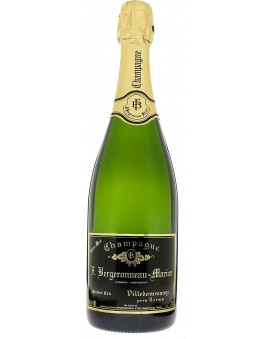
Champagne Bergeronneau Marion Zéro Dosage 75cl
The Zéro Dosage champagne of the house FLORENT BERGERONNEAU MARION is a cuvée of connoisseurs, a champagne without sugar.28,00 € from 6 30,00 € unitTemporarily out of stock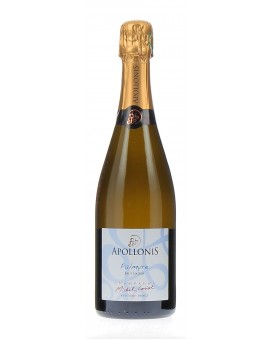
Champagne Apollonis Palmyre 75cl
Like all the other cuvées from champagnes Michel Loriot’s APOLLONIS range, this cuvée Palmyre Brut Nature was aged on slats, to...31,00 € from 6 34,00 € unitIn stock
Champagne Jean-noel Haton Pure Zéro Dosage 75cl
Champagne Pure Zéro Dosage from Maison Jean-Noël HATON is a remarkable champagne characterized by a low sugar dosage.32,00 € from 6 35,00 € unitIn stock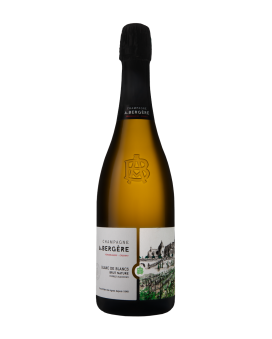
Champagne A.Bergère Terres Blanches 75cl
The Terres Blanches champagne from Maison A. Bergère is a Blanc de Blancs champagne Brut Nature from the Petit Morin Valley.34,00 € from 6 37,00 € unitIn stock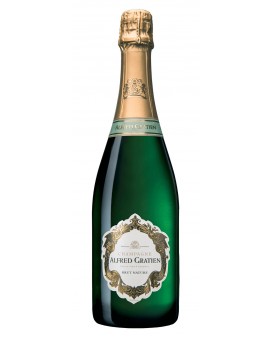
Champagne Alfred Gratien Brut Nature 75cl
The Brut Nature champagne from Maison Alfred Gratien is a refined blend characterized by the fruitiness of Pinot Meunier...35,00 € from 6 41,00 € unitIn stock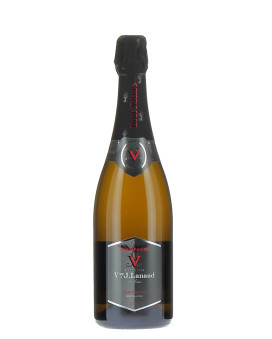
Champagne Veuve Lanaud Carte Noire 2012 75cl
The Champagne Carte Noire Brut Nature 2012 of the House VEUVE J. LANAUD is of a beautiful fullness, rich and distinguished at...36,00 € from 6 40,00 € unitTemporarily out of stock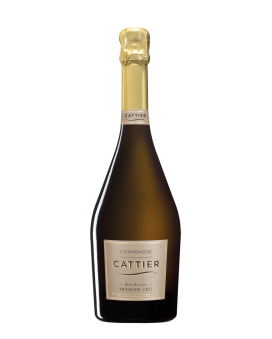
Champagne Cattier Brut Nature Premier Cru 75cl
The Brut Nature 1er Cru from CATTIER is a lively and elegant champagne.38,00 €In stock
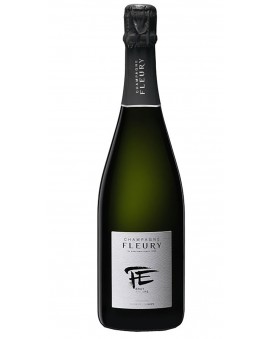
Champagne Fleury Fleur de l'Europe Brut Nature 75cl
The Cuvée Fleur de l'Europe Brut Nature from Fleury is the first Champagne from a biodynamic vineyard.39,00 € from 6 41,00 € unitIn stock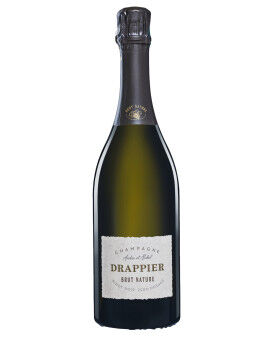
Champagne Drappier Brut Nature 75cl
The Brut Nature DRAPPIER is the ideal champagne for those who love unadulterated sensations.39,00 € from 6 42,00 € unitIn stock
Champagne Veuve Lanaud Carte noire Brut Nature Blanc de Blancs 2013 75cl
A 100% Chardonnay of great finesse and rarity: only 7,000 bottles!41,00 €Temporarily out of stock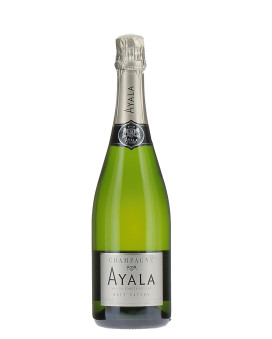
Champagne Ayala Brut Nature 75cl
The Ayala Brut Nature from Ayala: the purity and precision of a Grande Maison!42,00 € from 6 45,00 € unitIn stock Only 2 left!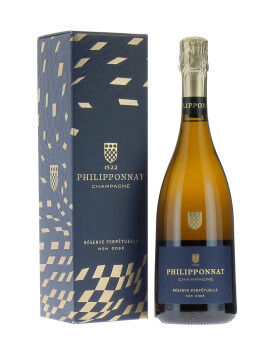
Champagne Philipponnat Réserve Perpétuelle Non Dosé 75cl
A straightforward champagne, with a strong Pinot Noir character.42,00 € from 6 46,00 € unitIn stock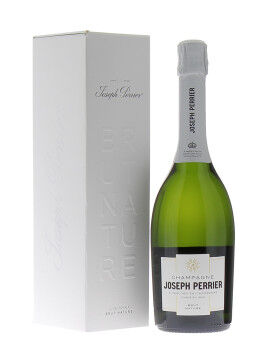
Champagne Joseph Perrier Cuvée Royale Brut Nature 75cl
Cuvée Royale Brut Nature from Maison Joseph Perrier is elaborated from a blend composed of 35% Pinot Noir, 35% chardonnay and...42,00 €Temporarily out of stock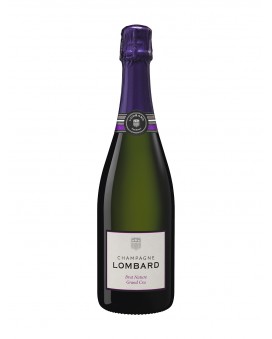
Champagne Lombard Brut Nature Grand Cru 75cl
This Brut Nature Grand Cru combines the characteristics of several terroirs that Maison Lombard holds so dear, with 50%...43,00 €In stock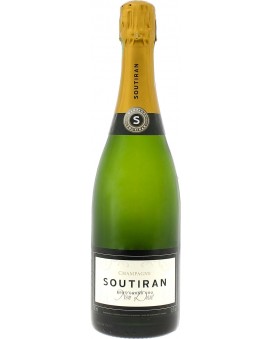
Champagne Soutiran Brut Grand Cru No Dosage 75cl
SOUTIRAN's Grand Cru Non Dosé champagne is a brut nature champagne (no added sugar) made from 60% Pinot Noir and 40%...43,00 €In stock Only 9 left!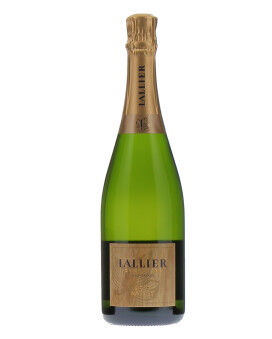
Champagne Lallier Brut Nature 75cl
Full-bodied, mineral, and pure, the Champagne Brut Nature from Maison LALLIER embodies the House’s philosophy.45,00 €In stock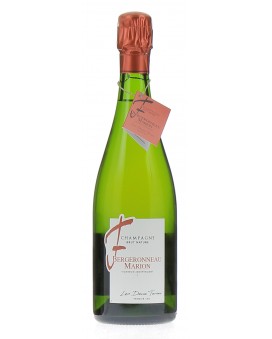
Champagne Bergeronneau Marion Les Deux Terres 1er Cru Brut Nature 75cl
The cuvée "Les Deux Terres 1er Cru Brut Nature" is the result of 2 distinct plots, organically grown, and vinified together....45,00 €In stock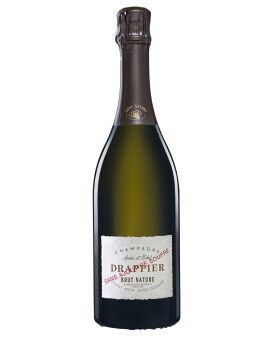
Champagne Drappier Brut Nature with no sulfur 75cl
For lovers of pure sensation, the House of Drappier has created a 100% Pinot Noir, 100% first press without dosage and without...45,00 € from 6 47,00 € unitIn stock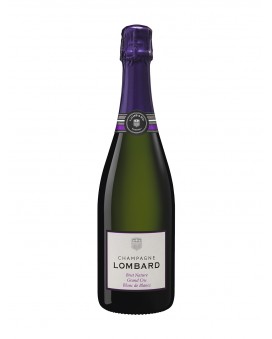
Champagne Lombard Brut Nature Grand Cru Blanc de Blancs 75cl
This Brut Nature Grand Cru Champagne Blanc de Blancs from Maison Lombard’s Signature line is made from 100% Chardonnay. A...46,00 €Temporarily out of stock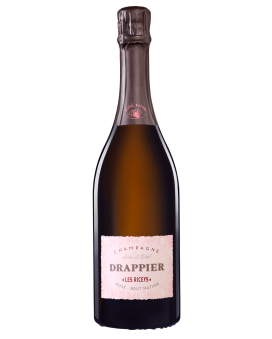
Champagne Drappier Brut Nature Rosé "Les Riceys" 75cl
The Champagne Brut Nature Rosé "Les Riceys" of the DRAPPIER House is a rosé champagne made from the Saignée method, not dosed.47,00 €In stock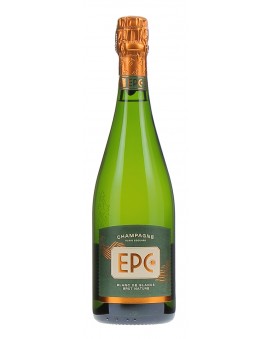
Champagne Epc Blanc de Blancs Brut Nature 75cl
The Blanc de Blancs Brut Nature from EPC is a 100% Chardonnay, grown on the hillsides of the Sézannais region and produced...49,00 €Temporarily out of stock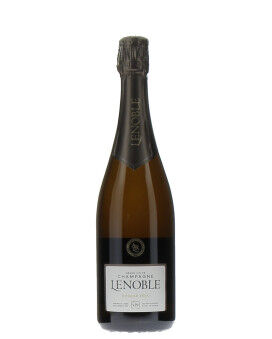
Champagne Lenoble Dosage Zéro V.19 75cl
Maison LENOBLE’s Dosage Zéro V.19 champagne is the house’s non-dosaged cuvée. A subtle and elegant brut nature that is...51,00 €In stock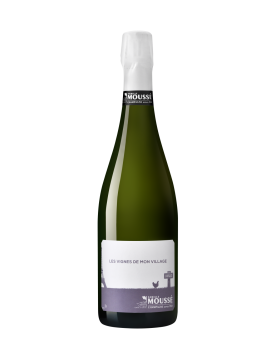
Champagne Moussé Fils Les Vignes de mon village 75cl
Cuvée Les vignes de mon village from Maison Moussé Fils is a champagne which is exclusively elaborated from Meunier, sourced...51,00 €Order limited to 6- New !
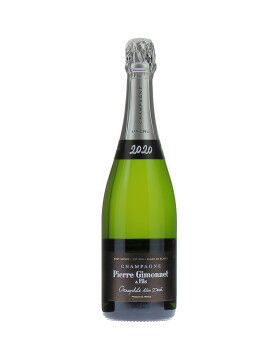
Champagne Pierre Gimonnet Oenophile Non Dosé 2020 75cl
The Cuvée Oenophile Non Dosé 2020 from the house of PIERRE GIMONNET & FILS is the 21th edition of this cuvée, an authentic and...52,00 €In stock 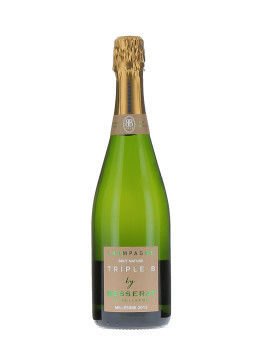
Champagne Besserat De Bellefon Triple B Millésime 2015 75cl
Maison Besserat de Bellefon is committed to organic farming since many years, and gave birth to an organic cuvée : la Triple B...53,00 €In stock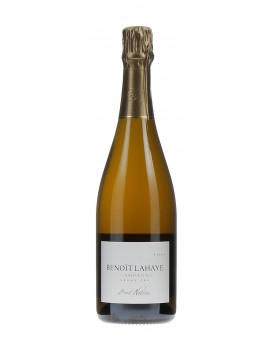
Champagne Benoît Lahaye Brut Nature 75cl
The Brut Nature Champagne from Maison Benoît Lahaye is an organic champagne made from 90% Pinot Noir and 10% Chardonnay,...55,00 €Order limited to 6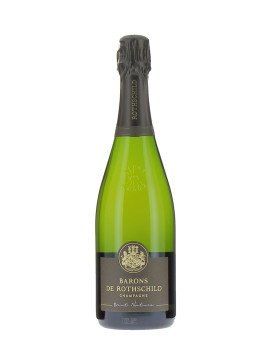
Champagne Barons De Rothschild Brut Nature 75cl
The Brut Nature champagne from Barons de Rothschild is the truest expression of the terroir, a model of balance with no...56,00 €Temporarily out of stock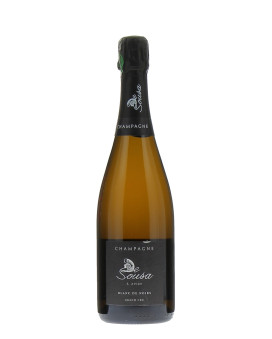
Champagne De Sousa Blanc de Noirs 75cl
The Blanc de Noirs from the DE SOUSA is a 100% Pinot Noir Grand Cru organic champagne from the Montagne de Reims.56,00 €In stock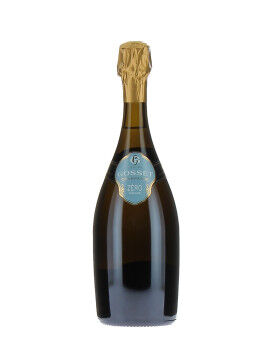
Champagne Gosset Zéro Dosage 75cl
The purest expression of GOSSET style...56,00 €In stock Only 7 left!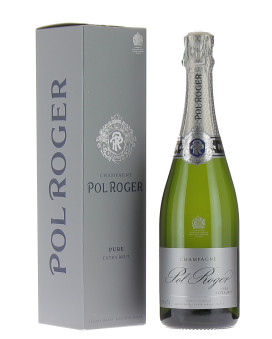
Champagne Pol Roger Pure Extra Brut 75cl
This Pure Extra Brut Champagne from the Pol Roger House is a prestigious cuvée launched in 2008.59,00 €In stock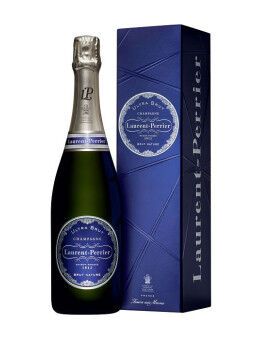
Champagne Laurent-perrier Ultra Brut 75cl
Ultra Brut champagne from Laurent-Perrier is champagne in its purest form, with no added sugar.60,00 € from 6 62,00 € unitIn stock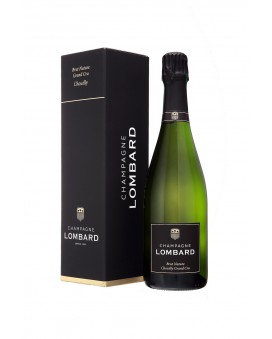
Champagne Lombard Brut Nature Chouilly Grand Cru 75cl
The Cuvée Brut Nature "Chouilly" Grand Cru from Maison Lombard is a champagne made from a plot selection, mono-cru. This superb...63,00 €In stock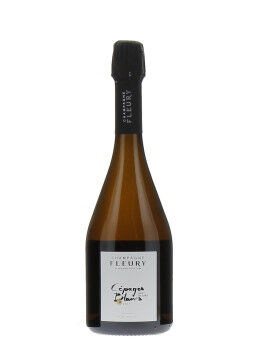
Champagne Fleury Cépages Blancs Brut Nature 2017 75cl
A top-class blanc de blancs champagne!63,00 €In stock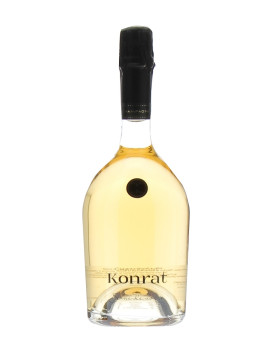
Champagne Konrat Blanc de Noirs 75cl
The Blanc de Noirs from Maison KONRAT is a full-bodied, delicately oaked, well-structured champagne. It contains no dosage...64,00 €In stock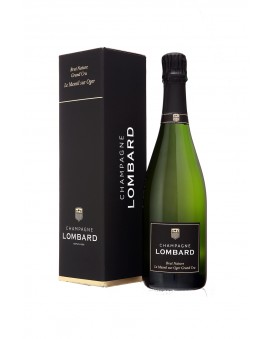
Champagne Lombard Brut Nature Le Mesnil-sur-Oger Grand Cru 75cl
The Brut Nature Champagne Maison Lombard’s Mesnil-sur-Oger Grand Cru is the perfect cuvée for discovering—or...64,00 €In stock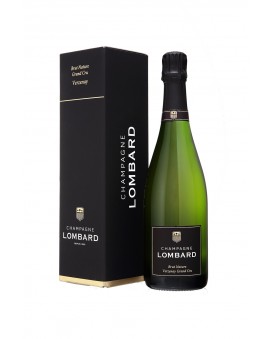
Champagne Lombard Brut Nature Verzenay Grand Cru 75cl
The Brut Nature Champagne "Verzenay" Grand Cru from Maison Lombard comes from a Grand Cru terroir in the Montagne de Reims:...64,00 €In stock Only 6 left!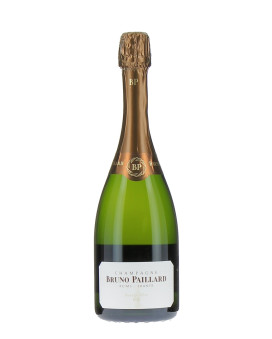
Champagne Bruno Paillard Dosage Zéro D:Z 75cl
The Cuvée Dosage Zéro D:Z of the Bruno Paillard House is a champagne of great purity.65,00 €Temporarily out of stock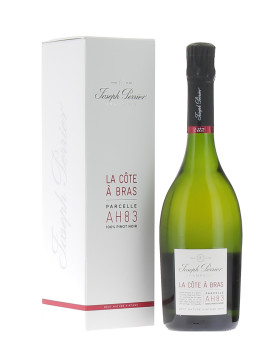
Champagne Joseph Perrier La Côte à bras 2014 75cl
The 2014 La Côte à Bras champagne from Maison JOSEPH PERRIER is a 100% Pinot Noir Brut Nature single-vineyard cuvée from...68,00 €Sold out soon- New ! Limited Edition
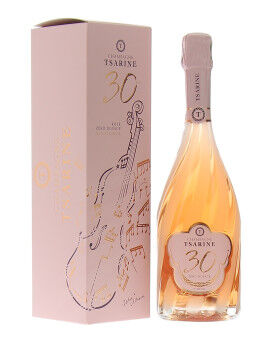
Champagne Tsarine Zéro Dosage Rosé 75cl
Treat yourself to the Tsarine Zéro Dosage Rosé, a numbered, limited-edition cuvée created to celebrate Maison Tsarine’s 30th...68,00 €In stock Only 1 left! 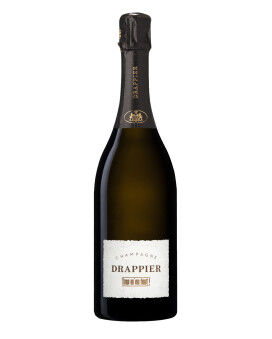
Champagne Drappier Trop m'en faut 75cl
Trop m'en faut! by DRAPPIER is a rare champagne made from a forgotten Champagne grape variety: Pinot Gris, known as...72,00 €In stock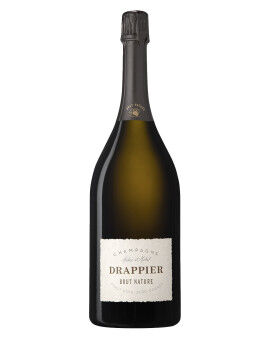
Champagne Drappier Brut Nature Magnum 150cl
The Brut Nature Champagne DRAPPIER is a zero-dosage champagne for lovers of pure flavors. Discover it in its Magnum size: a...85,00 € from 3 89,00 € unitIn stock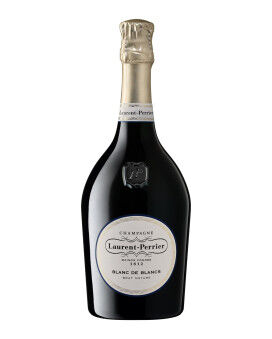
Champagne Laurent-perrier Blanc de Blancs Brut Nature 75cl
This champagne Blanc de Blancs Brut Nature from the Laurent-Perrier is a 100% Chardonnay made from grapes grown in the...89,00 €In stock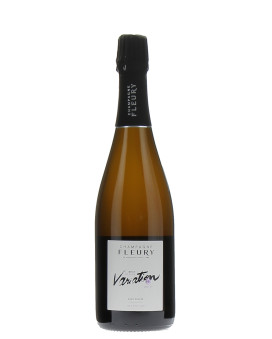
Champagne Fleury Variation 2018 Brut Nature 75cl
This Champagne "Variation 2018 Brut Nature" from Maison Fleury is a rare 100% Pinot Gris vinified in oak barrels (2200 bottles...89,00 €In stock Only 4 left!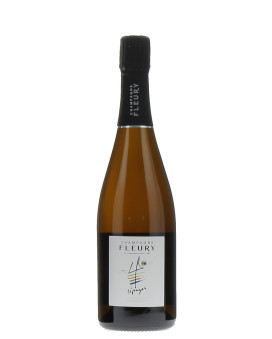
Champagne Fleury 4 Cépages Brut Nature 2014 75cl
Maison Fleury's 4 Cépages Brut Nature 2014 is the first opus of this cuvée. It is a blend of 4 grape varieties from a plot...89,00 €In stock
What is a Brut Nature champagne?
Brut Nature is a type of champagne to which no sugar is added after disgorgement. Its sugar content ranges from 0 to 3 grams per liter, whereas a classic brut contains up to 12 grams. This absence of sugar is indicated on the label by the term “Brut Nature,” sometimes replaced by “brut zero,” “non-dosé,” or “champagne nature.”
In practice, the winemaker forgoes the sweet dosage liqueur and replenishes the slight loss of wine caused by disgorgement using only Champagne wine itself. The Champagne then reveals a crystalline purity and a crisp minerality, in contrast to a sweet Champagne. Without the roundness of sugar, the wine is pure, lively, and straightforward, without ever becoming harsh: it is an authentic champagne, faithful to the Champagne AOP and the character of its terroir.
Brut Nature, Extra Brut, Brut: What Are the Differences?
The difference comes down to a single factor: the amount of sugar per liter. The lower the dosage, the drier the champagne and the more unfiltered the expression of the terroir. Brut Nature ranges from 0 to 3 g/L, with no added sugar. The Extra Brut ranges from 0 to 6 g/L, with minimal dosage. Brut, the most common style, allows up to 12 g/L and offers a roundness that’s more immediately accessible. Brut Nature thus embodies the purest and most demanding expression on this scale.
What are the different types of Brut Nature champagne?
Brut Nature is not a single style: it varies depending on the grape varieties and blend chosen by the producer. A Blanc de Blancs Brut Nature, made from Chardonnay, offers an ethereal, mineral, and precise profile. A Blanc de Noirs, made from Pinot Noir and/or Pinot Meunier—black grapes that yield white juice—produces a more powerful champagne with a rich texture. A Brut Nature rosé, such as the Lombard Brut Nature Rosé de Saignée, combines freshness with notes of red berries.
Added to this selection are vintage (from a single harvest year) or blends of multiple years, as well as the terroir designations Grand Cru and Premier Cru. Bottle sizes follow the same range, from half-bottles to magnums, including the classic 75 cl bottle.
Which houses and cuvées offer Brut Nature?
Our selection brings together iconic houses and talented winemakers. Laurent-Perrier has left its mark on the history of the category: the house launched its “Grand Vin Sans Sucre” as early as 1889, before reviving the style in 1981 with the famous Ultra Brut cuvée. Drappier is today one of the leading names in zero-dosage Brut Nature. Joseph Perrier and Philipponnat carry on a tradition of elegance with cuvées that are lightly dosed or undosed. Alongside them are winemakers such as Agrapart, on the Côte des Blancs, and Champagne Lombard, with its single-vineyard cuvées, showcase the full range of Brut Nature expressions, from Blanc de Blancs to rosé.
How to Choose a Brut Nature Champagne?
To choose the right Brut Nature champagne, start by considering the occasion and the moment of tasting. To start a meal, a lively and crisp Blanc de Blancs works wonders; to pair with a bold dish, a more powerful Blanc de Noirs will be better suited. The winemaker’s style also matters: a major house produces cuvées of exceptional consistency, while an independent producer often reveals a more distinctive interpretation of the terroir.
Next, examine the details on the label: grape varieties, terroir, and any mention of organic or biodynamic viticulture for fans of natural wines. Our customers’ reviews, value for money, and advice from our wine specialists will help you narrow down your choice, from your first purchase to an exceptional cuvée.
With no sugar to mask anything, brut nature champagne reveals the most authentic expression of the grape and the soil. It is also an unpretentious wine that appeals to connoisseurs who appreciate a more natural approach to winemaking. Finally, its freshness and mineral tension make it a wonderful pairing for fine dining: with its low sugar content, it complements a wide variety of dishes where a sweet champagne would quickly be limited, all while maintaining a rare elegance and precision.
Everything You Need to Know About Brut Nature Champagne
Terroirs and Grape Varieties
Champagne spans a unique vineyard region—the northernmost in France—whose cool climate preserves the grapes’ natural acidity, a valuable asset for a non-dosé wine. The three main grape varieties are Pinot Noir, Chardonnay, and Pinot Meunier. The Côte des Blancs is the realm of Chardonnay and minerality; the Montagne de Reims, with Grand Cru terroirs such as Verzenay, expresses the power of Pinot Noir; the Marne Valley showcases Pinot Meunier; the Côte des Bar, in the Aube department, produces rich, sun-kissed cuvées. It is on these terroirs, from Reims to the Aube, that the finest Brut Nature champagnes find their balance.
How is a Brut Nature champagne produced?
It all begins in the vineyard, because without sugar to adjust the profile, the quality and ripeness of the grapes are crucial. Alcoholic fermentation naturally converts the grape sugars into alcohol to create the base wine, sometimes supplemented with reserve wines, before secondary fermentation takes place in the bottle.
Next comes disgorgement, which removes the yeast sediment. For a classic Champagne, a sugar-containing dosage is then added; for a Brut Nature, this dosage is sugar-free, and the small volume lost is simply compensated for with Champagne wine. This mastery—from the vineyard to the bottle—and often extended aging in the cellar account for the expertise required to produce a well-balanced Brut Nature, a legacy of a tradition refined over the centuries.
What food and wine pairings go well with a Brut Nature?
The freshness and minerality of Brut Nature make it an ideal companion for seafood and simple dishes, whether as an aperitif or to start a meal. It pairs wonderfully with seafood and shellfish: oysters, raw scallops, caviar, and fish roe. Raw or grilled fish, sushi, sashimi, carpaccio, or grilled sole further enhance this delicate pairing, as do Asian and Thai dishes that highlight its liveliness.
For variety, it also pairs well with aged cheeses like Comté or Parmesan and with white meats. However, it should be avoided with sweet desserts, which would overpower its flavor. Each dish is elevated here thanks to the wine’s precise texture.
How to Serve and Enjoy a Brut Nature Champagne?
To enjoy a Brut Nature Champagne at its best, serve it between 7 and 11 °C—chilled but never ice-cold, as excessive cold can dull its delicate aromas. Opt for a tulip-shaped flute or a tasting glass rather than a bowl that’s too wide.
On the palate, the Brut Nature reveals notes of citrus, white flowers, and white-fleshed fruits, enhanced by chalky accents and a distinct minerality. Lively and straightforward, it offers a vertical tasting experience where every detail of the grape is revealed, with no flaws hidden behind the sugar.
What exactly is a Brut Nature champagne?
A Brut Nature champagne, also known as “zero dosage,” “non-dosé,” or “brut zero,” is a champagne to which no sugar is added after disgorgement. Its residual sugar content ranges from 0 to 3 grams per liter, making it the driest category of champagne available. In practical terms, you taste the wine as it is, without any sweet expedition liqueur to round out or mask its character. It is the purest expression of the terroir and the winemaker’s expertise.
What dishes pair well with a Brut Nature champagne?
Brut Nature pairs exceptionally well with seafood and ocean-inspired flavors: oysters, raw scallops, caviar, sashimi, sushi, and raw or grilled fish. Its minerality and liveliness complement these flavors better than any other style of champagne. It also pairs very well with aged cheeses such as Comté or Parmesan, as well as contemporary cuisine and Asian dishes. However, avoid sweet desserts at the end of a meal: the contrast with such a dry wine would accentuate its acidity.
Is Brut Nature a higher-quality champagne?
Not necessarily—it is, above all, a different style. Brut Nature is undoubtedly the most demanding, as the absence of dosage leaves no room for error: only the best, perfectly ripe grapes can withstand the process. But a well-balanced Brut or Extra Brut from a great terroir can be just as expressive and harmonious. Dosage is not an indicator of quality; it is a stylistic choice. Personally, I encourage you to compare several dosages side by side to find the one that best suits your tastes and your meal.
Trusted Reviews
97% of satisfied customers Shipping 24H
Order before 11AM Gift Message
free + 1200 références
in stock Storage
Hydro-regulated Secure Payment
Credit Card, Amex, Paypal, Bank transfer 
Interdiction de vente de boissons alcooliques aux mineurs de moins de 18 ans.
La preuve de majorité de l’acheteur est exigée au moment de la vente en ligne
Code de la santé publique.Art L.3342-1 et L.3353-3