- Abelé 1757
- Agrapart
- Alfred Gratien
- Apollonis
- AR Lenoble
- Armand de Brignac
- Ayala
- Barons de Rothschild
- Beaumont des Crayères
- Benoît Lahaye
- Bergeronneau Marion
- Besserat De Bellefon
- Billecart - Salmon
- Blin
- Bollinger
- Bruno Paillard
- Canard Duchene
- Castelnau
- Cattier
- Charles Collin
- Charles Heidsieck
- Chartogne-Taillet
- Chassenay d'Arce
- De Saint Gall
- De Sousa
- De Venoge
- Delamotte
- Demoiselle
- Deutz
- Devaux
- Diamant Vranken
- Dom Perignon
- Drappier
- Duval - Leroy
- Egly-Ouriet
- Epc
- Fleury
- Gosset
- Heidsieck & Co Monopole
- Henri Giraud
- Henriot
- Jacquart
- Jacquesson
- Jean-Noel Haton
- Joseph Perrier
- Konrat
- Krug
- Lafitte
- Laherte
- Lallier
- Lanson
- Larmandier-Bernier
- Laurent-Perrier
- Leclerc Briant
- Lombard
- Mailly Grand Cru
- Moet Et Chandon
- Montaudon
- Moussé Fils
- Mumm
- Napoleon
- Nicolas Feuillatte
- Pannier
- Paul Goerg
- Perrier Jouet
- Philipponnat
- Pierre Gimonnet
- Piper - Heidsieck
- Pol Roger
- Pommery
- Rare Champagne
- Louis Roederer
- Ruinart
- Salon
- Selosse
- Soutiran
- Taittinger
- Thienot
- Tsarine
- Veuve Clicquot
- Veuve Lanaud
BLANC DE NOIRS CHAMPAGNE
The Blanc de Noirs, a champagne for meals.
The blanc de noirs champagne is a powerful, original champagne with an intense aromatic palette that will enchant your palate. Contrary to the blanc de blancs champagnes, the blanc de noirs champagne is only made with black grapes. This champagne is perfect to accompany you throughout a meal. Thanks to Envie de Champagne, you will be able to taste excellent blanc de noirs champagnes.

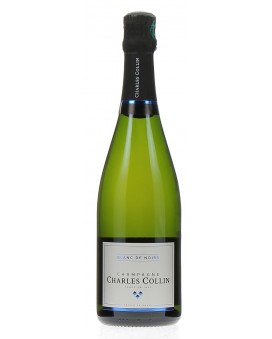
Champagne Charles Collin Blanc de Noirs 75cl
Cuvée Blanc de Noirs from Maison Charles Collin is exclusively elaborated from Pinot Noir, and it was created in tribute to the...26,00 € from 6 29,00 € unitIn stock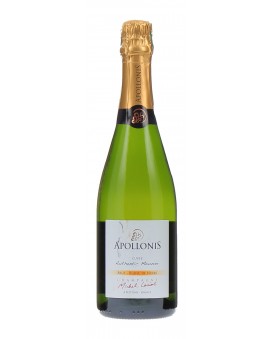
Champagne Apollonis Authentic Meunier 75cl
Cuvée Authentic Meunier from champagnes Michel Loriot’s APOLLONIS range is exclusively elaborated from Meunier and is faithful...27,00 € from 6 29,00 € unitIn stock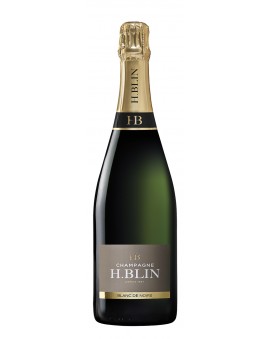
Champagne Blin Blanc de Noirs 75cl
Blanc de Noirs from Maison H BLIN is characterized by its roundness and fruity flavors.28,00 € from 6 30,00 € unitIn stock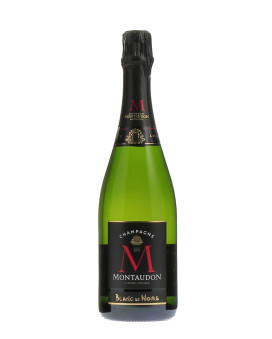
Champagne Montaudon Blanc de Noirs 75cl
Champagne Blanc de Noirs from Maison Montaudon is exclusively elaborated from Pinot Noir, of which 23% of reserved wines.28,00 € from 6 30,00 € unitIn stock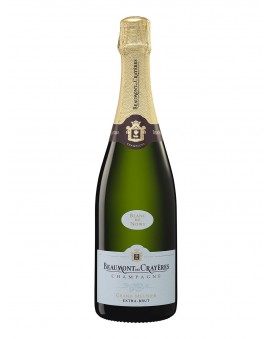
Champagne Beaumont Des Crayeres Grand Meunier 75cl
Cuvée Grand Meunier from Maison Beaumont des Crayères is a generous, precise Blanc de Noirs extra-brut champagne.29,00 € from 6 32,00 € unitIn stock
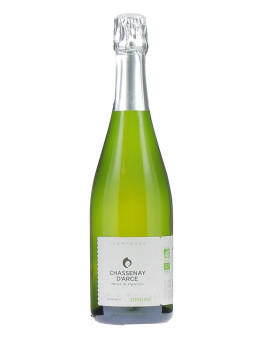
Champagne Chassenay d'Arce Cuvée Origine Extra Brut 75cl
The Champagne Cuvée Origine Extra Brut of the Maison Chassenay D'arce is a 100% Pinot Noir, with a singular identity, both...30,00 €In stock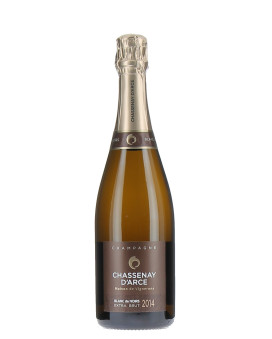
Champagne Chassenay d'Arce Blanc de Noirs 2014 75cl
Maison Chassenay D'Arce's Blanc de Noirs 2014 Champagne is a 100% Pinot Noir, the emblematic grape variety of the famous Côte...31,00 €Sold out soon- New !
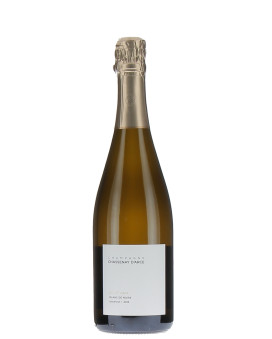
Champagne Chassenay d'Arce Pinot Noir 2015 75cl
Champagne Pinot Noir 2015 from Maison Chassenay D'Arce is a 100% Pinot Noir, the emblematic grape variety of the famous Côte...31,00 €In stock 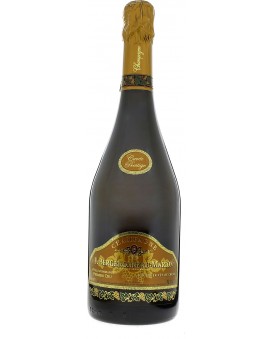
Champagne Bergeronneau Marion Cuvée de Prestige Blanc de Noirs 75cl
The Cuvée de Prestige Blanc de Noirs from the House of FLORENT BERGERONNEAU MARION is a champagne that is both fine and powerful.32,00 € from 6 35,00 € unitIn stock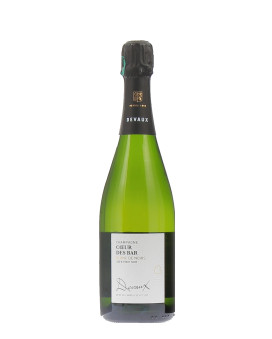
Champagne Devaux Coeur des Bar Blanc de Noirs 75cl
The Champagne Coeur des Bar Blanc de Noirs of the Maison Devaux is a champagne of character and extreme finesse.32,00 € from 6 35,00 € unitIn stock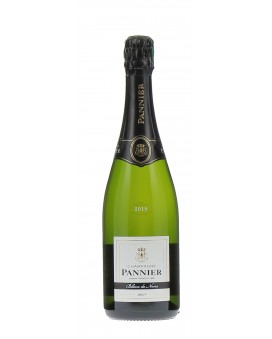
Champagne Pannier Blanc de Noirs 2016 75cl
Exclusively made from Pinots Noirs, PANNIER's Blanc de Noirs 2016 is a powerful and structured champagne.34,00 € from 6 37,00 € unitIn stock Only 4 left!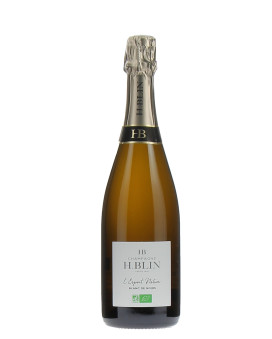
Champagne Blin L'Esprit Nature Blanc de Noirs Extra-Brut 75cl
Purity and harmony are the hallmarks of "L'esprit Nature", the organic Cuvée Blanc de Noirs Extra Brut from H BLIN.36,00 €In stock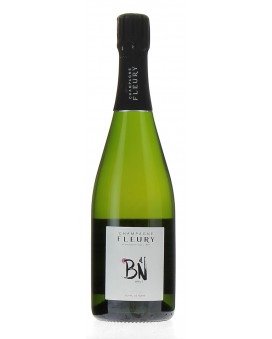
Champagne Fleury Blanc de Noirs Brut 75cl
The Blanc de Noirs Brut champagne is a purely traditional Fleury cuvée.36,00 € from 6 38,00 € unitIn stock- Special offer !
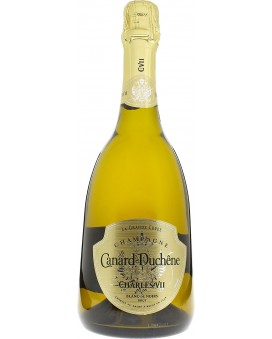
Champagne Canard Duchene Cuvée Charles VII Blanc de Noirs 75cl
Made from black grape varieties sourced exclusively in Montagne de Reims (70% Pinots Noirs and 30% Pinots Meuniers), the Grande...36,00 €instead of 42,00 €In stock 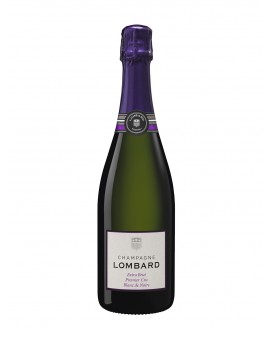
Champagne Lombard Extra Brut Premier Cru Blanc de Noirs 75cl
This Champagne Extra Brut Premier Cru Blanc de Noirs from Maison Lombard is part of the Signature range. This 100% Pinot Noir...37,00 € from 6 38,00 € unitIn stock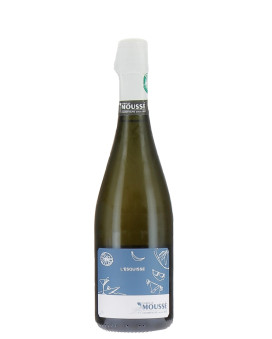
Champagne Moussé Fils L'esquisse 75cl
Maison Moussé's L'Esquisse is a Blanc de Noirs champagne of great drinkability.37,00 €Order limited to 12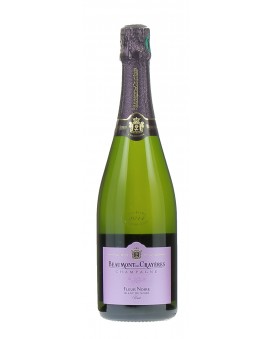
Champagne Beaumont Des Crayeres Fleur Noire 2014 75cl
The champagne Fleur Noire 2014 from Maison Beaumont des Crayères is made from 100% Coeur de Cuvée, 100% Pinot Noir.39,00 €Sold out soon Only 6 left!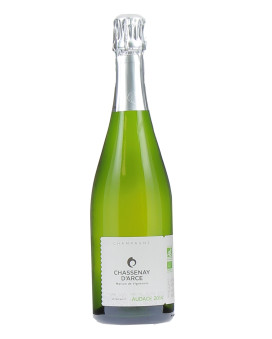
Champagne Chassenay d'Arce Cuvée Audace Extra Brut 2014 75cl
The Champagne Cuvée Audace Extra Brut 2014 from the Maison Chassenay D'arce is a 100% Pinot Noir, from the 2014 harvest, with...39,00 €In stock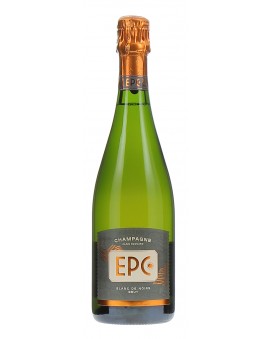
Champagne Epc Blanc de Noirs 75cl
Champagne Blanc de Noirs Brut from EPC is exclusively elaborated from Pinots Noirs, sourced from the Arce Valley, and vinified...40,00 €In stock Only 1 left!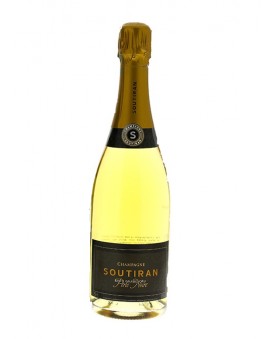
Champagne Soutiran Blanc de Noirs Grand Cru Perle Noire 75cl
This Perle Noire Grand Cru Champagne from Maison SOUTIRAN, 100% Pinot Noir Grands Crus, including 26% reserve wines, is a...42,00 € from 6 45,00 € unitIn stock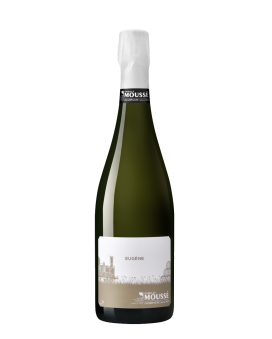
Champagne Moussé Fils Eugène 75cl
Cuvée Eugène perfectly reflects the terroir of Maison Moussé Fils.43,00 €Order limited to 12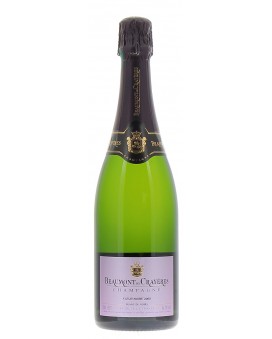
Champagne Beaumont Des Crayeres Fleur Noire 2009 75cl
Fleur Noire 2009 from Maison Beaumont des Crayères is exclusively sourced from « Coeur de Cuvée » (70% Pinot Noir and 30% Pinot...44,00 €Sold out soon Only 14 left!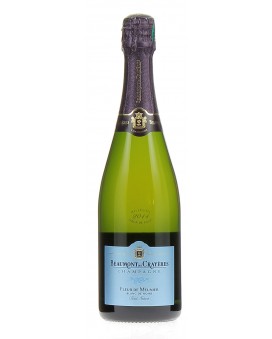
Champagne Beaumont Des Crayeres Fleur de Meunier 2014 75cl
Cuvée Fleur de Meunier 2014 from Maison Beaumont des Crayères is a Blanc de Noirs champagne, exclusively elaborated from...44,00 €Sold out soon Only 9 left!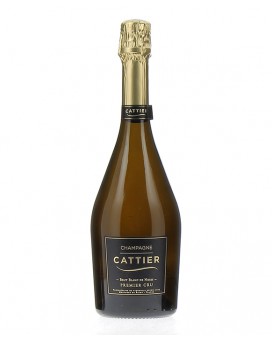
Champagne Cattier Blanc de Noirs Premier Cru 75cl
One of the jewels in CATTIER's crown, the Blanc de Noirs Premier Cru from CATTIER is a full-bodied, gourmet, elegant champagne...45,00 €In stock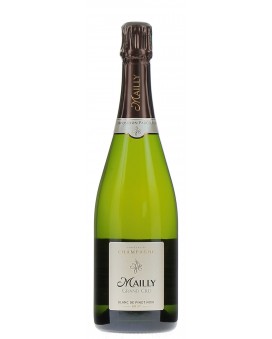
Champagne Mailly Grand Cru Blanc de Noirs Grand Cru 75cl
The Champagne Blanc de Noirs of the House Mailly Grand Cru is the unique expression of an exposure, of a soil, of a know-how.46,00 € from 6 48,00 € unitIn stock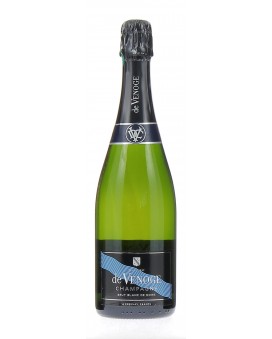
Champagne De Venoge Blanc de Noirs 75cl
Champagne Blanc de Noirs from Maison DE VENOGE is the very first champagne sourced from black grapes, which is available from...46,00 €In stock Only 12 left!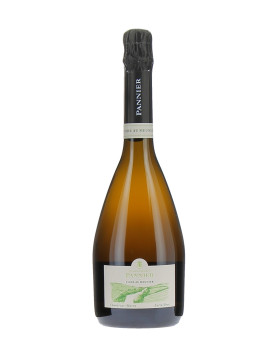
Champagne Pannier L'Ode au meunier - Charly-Sur-Marne 75cl
As its name suggests, Champagne L'ode au Meunier - Charly-Sur-Marne from Maison PANNIER is a 100% Meunier champagne.49,00 €Order limited to 3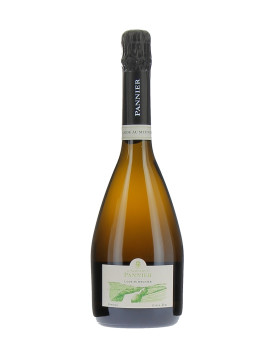
Champagne Pannier L'Ode au meunier - Venteuil 75cl
As its name suggests, Champagne L'ode au Meunier - Venteuil from Maison PANNIER is a 100% Meunier champagne.49,00 €Order limited to 3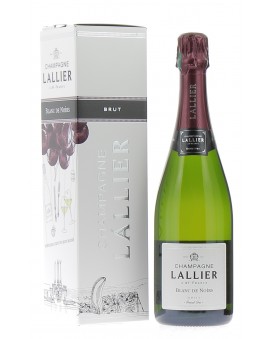
Champagne Lallier Blanc de Noirs Grand Cru 75cl
The Blanc de Noirs Grand Cru cuvée from Maison Lallier is the purest expression of the Pinot noir grape variety, with great...49,00 € from 6 52,00 € unitIn stock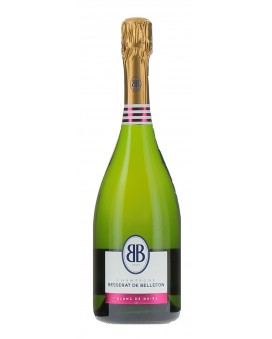
Champagne Besserat De Bellefon Blanc de Noirs Grand Cru 75cl
The power and heat of Bouzy and Ambonnay combined with the freshness of Versy and Mailly-Champagne offer a balanced, complex,...53,00 € from 6 58,00 € unitIn stock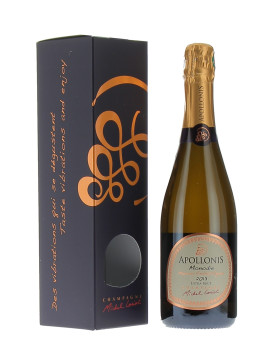
Champagne Apollonis Monodie Meunier Vieilles Vignes 2013 75cl
Crafted to the rhythm of classical music, this Monodie Meunier Vieilles Vignes 2013 APOLLONIS cuvée from champagnes Michel...53,00 €In stock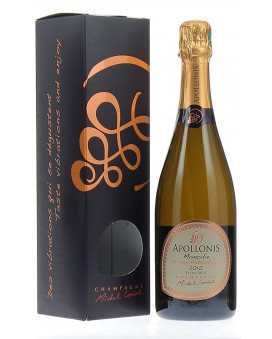
Champagne Apollonis Monodie Meunier Vieilles Vignes 2010 75cl
Cuvée Monodie Meunier Vieilles Vignes 2010 APOLLONIS from Maison Michel Loriot is elaborated to the sound of music.55,00 €Sold out soon Only 5 left!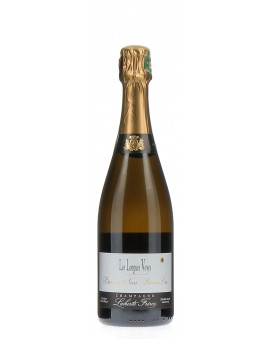
Champagne Laherte Blanc de Noirs les Longues Voyes (harvest 2016) 75cl
Les Longues Voyes from Maison Laherte Frères is a superb Premier Cru Extra-Brut Blanc de Noirs champagne made from the 2016...55,00 €Temporarily out of stock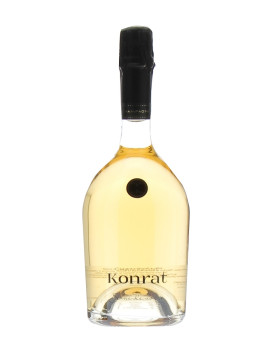
Champagne Konrat Blanc de Noirs 75cl
Champagne Blanc de Noirs from Maison KONRAT is vinous, delicately woody and structured, with no dosage to highlight the Pinot...56,00 €In stock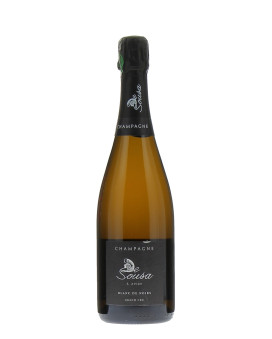
Champagne De Sousa Blanc de Noirs 75cl
DE SOUSA's Blanc de Noirs champagne is an organic 100% Pinot Noir Grand Cru from the Montagne de Reims.56,00 €In stock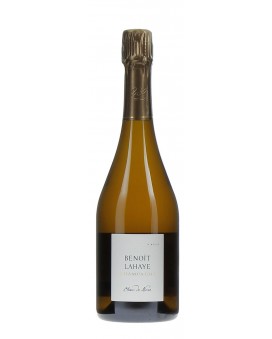
Champagne Benoît Lahaye Blanc de Noirs 75cl
Champagne Blanc de Noirs from Maison Benoît Lahaye is an organic cuvée exclusively elaborated from Pinot Noir.57,00 €Order limited to 2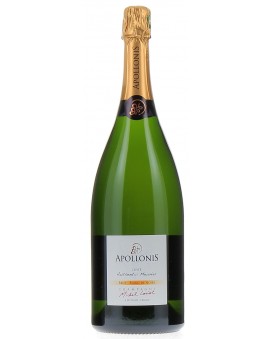
Champagne Apollonis Authentic Meunier Magnum 150cl
Cuvée Authentic Meunier from champagnes Michel Loriot’s APOLLONIS range is exclusively elaborated from Meunier and is faithful...61,00 €In stock Only 3 left!- New !
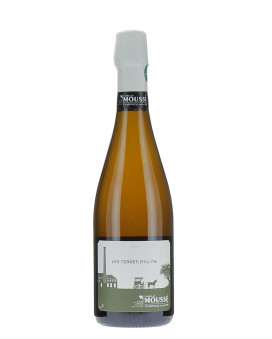
Champagne Moussé Fils Terre d'Illite 2020 75cl
The 2020 Terre d'illite cuvée from Maison Moussé Fils is a champagne composed of 80% Meunier and 20% Pinot Noir.62,00 €In stock 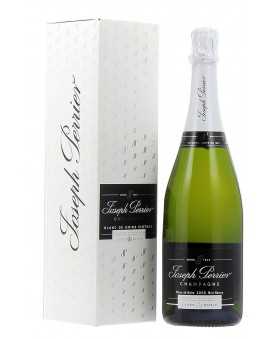
Champagne Joseph Perrier Cuvée Royale Blanc de Noirs 2009 Brut Nature 75cl
Cuvée Royale Blanc de Noirs 2009 Brut Nature from Maison Joseph PERRIER is a rare cuvée, elaborated from a single Cru, a single...66,00 €Sold out soon Only 8 left!- New !
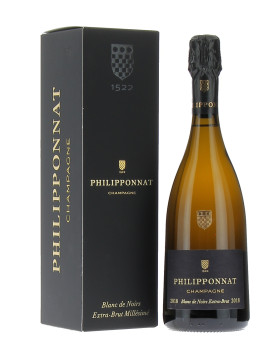
Champagne Philipponnat Blanc de Noirs 2018 75cl
Cuvée Blanc de Noirs 2018 is the ultimate demonstration of Philipponnat's mastery in blending and vinification processes in a...66,00 €In stock 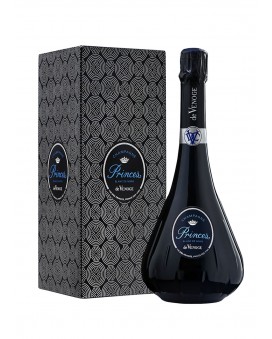
Champagne De Venoge Princes Blanc de Noirs 75cl
Discover the all new Cuvée from Maison De Venoges : Champagne Princes Blanc de Noirs.68,00 €In stock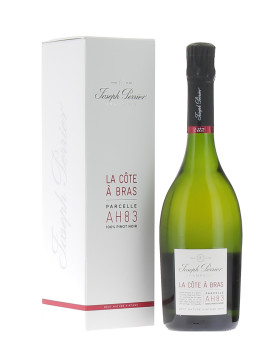
Champagne Joseph Perrier La Côte à bras 2014 75cl
La Côte à Bras 2014 Champagne from Maison JOSEPH PERRIER is a Cuvée parcellaire 100% Pinot Noir Brut Nature from Cumières.68,00 €In stock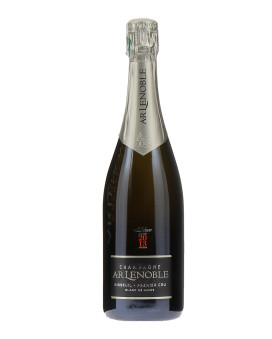
Champagne Ar Lenoble Premier Cru Blanc de Noirs 2013 75cl
A great vintage 2013 for this 1st Cru Blanc de Noirs Champagne from Maison AR LENOBLE.74,00 €In stock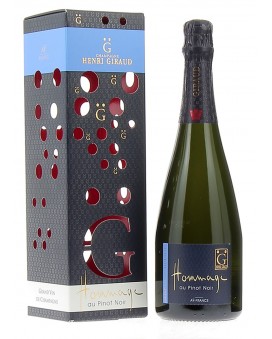
Champagne Henri Giraud Hommage au Pinot Noir 75cl
The new Blanc de Noirs champagne from Maison HENRI GIRAUD is simply called HOMMAGE AU PINOT NOIR.74,00 €Order limited to 3
- 1
- 2
Trusted Reviews
97% of satisfied customers Shipping 24H
Order before 11AM Gift Message
free + 1200 références
in stock Storage
Hydro-regulated Secure Payment
Credit Card, Amex, Paypal, Bank transfer 
Interdiction de vente de boissons alcooliques aux mineurs de moins de 18 ans.
La preuve de majorité de l’acheteur est exigée au moment de la vente en ligne
Code de la santé publique.Art L.3342-1 et L.3353-3