
- A.Bergere
- Abelé 1757
- Agrapart
- Alfred Gratien
- Apollonis
- Armand de Brignac
- Ayala
- Barons de Rothschild
- Beaumont des Crayères
- Benoît Lahaye
- Bergeronneau Marion
- Besserat De Bellefon
- Billecart - Salmon
- Blin
- Bollinger
- Bruno Paillard
- Canard Duchene
- Castelnau
- Cattier
- Charles Collin
- Charles Heidsieck
- Chartogne-Taillet
- Chassenay d'Arce
- De Saint Gall
- De Sousa
- De Venoge
- Delamotte
- Demoiselle
- Deutz
- Devaux
- Diamant Vranken
- Dom Perignon
- Drappier
- Duval - Leroy
- Egly-Ouriet
- Epc
- Fleury
- Gosset
- Heidsieck & Co Monopole
- Henri Giraud
- Henriot
- Jacquart
- Jacquesson
- Jean-Noel Haton
- Joseph Perrier
- Konrat
- Krug
- Lafitte
- Laherte
- Lallier
- Lanson
- Larmandier-Bernier
- Laurent-Perrier
- Leclerc Briant
- Lenoble
- Lombard
- Mailly Grand Cru
- Moet Et Chandon
- Montaudon
- Moussé Fils
- Mumm
- Napoleon
- Nicolas Feuillatte
- Pannier
- Paul Goerg
- Perrier Jouet
- Philipponnat
- Pierre Gimonnet
- Piper - Heidsieck
- Pol Roger
- Pommery
- Rare Champagne
- Louis Roederer
- Ruinart
- Salon
- Selosse
- Soutiran
- Taittinger
- Thienot
- Tsarine
- Veuve Clicquot
- Veuve Lanaud
DEMI-SEC CHAMPAGNE
Our selection of demi-sec champagnes to pair with your desserts.
Semi-dry champagne is a sweet champagne, containing between 32 and 50 grams of sugar per liter. Recognizable by its roundness on the palate, its generous fruitiness, and its indulgent character, it appeals to both lovers of sweet flavors and those curious to find the perfect champagne to pair with a dessert or foie gras. Discover our selection of demi-sec champagnes below: from the great houses (Veuve Clicquot, Moët & Chandon, Pommery…), independent winemakers, in 75cl bottles, magnums, or half-bottles…

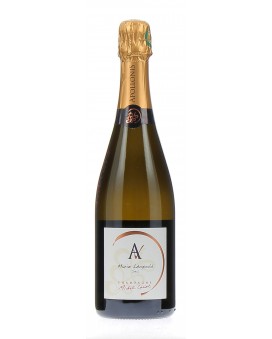
Champagne Apollonis Marie Léopold 75cl
Cuvée Marie Léopold from Michel Loriot’s APOLLONIS range of champagnes is a dry cuvée, a tribute to the oenologist Marie, the...30,00 €In stock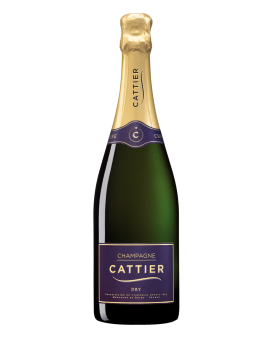
Champagne Cattier Dry 75cl
Dry Champagne from CATTIER is a warm and intense champagne, sweeter than a classic Brut (25 g/L).34,00 €Sold out soon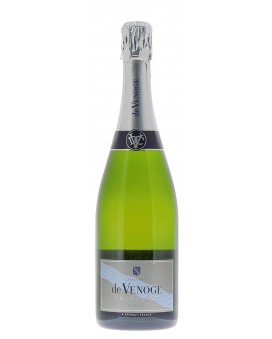
Champagne De Venoge Cordon Bleu Demi-Sec 75cl
The Demi-sec Champagne Cordon Bleu from Maison DE VENOGE is dominated by Pinot Noir (50% of the blend), which lends it...39,00 €In stock Only 5 left!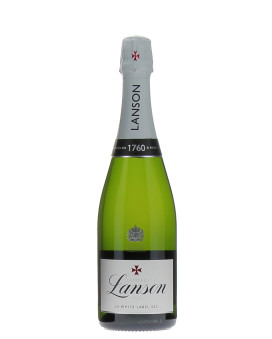
Champagne Lanson Le White Label Sec 75cl
Lanson Le White Label Sec is the world’s first champagne which is especially elaborated to play with aromas! This dry-sec...39,00 €In stock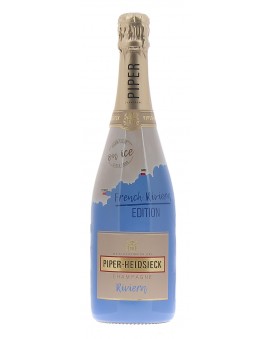
Champagne Piper - Heidsieck Riviera 75cl
Champagne Riviera from Maison Piper-Heidsieck : a different tasting experience, with this highly dosed champagne (35gr/l),...42,00 €In stock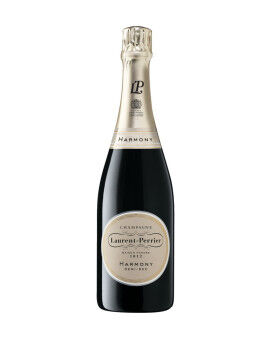
Champagne Laurent-perrier Demi-Sec Harmony 75cl
Discover champagne Demi-Sec from Laurent Perrier , a round and delicate cuvée characterized by its dosage which is greater...45,00 €Temporarily out of stock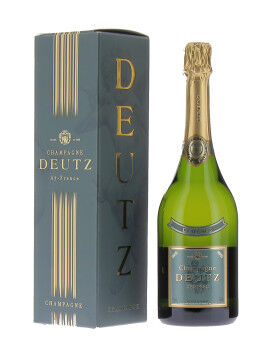
Champagne Deutz Demi-Sec 75cl
Champagne lovers with a slightly sweeter taste will appreciate this great Brut Demi Sec champagne from the DEUTZ a perfect...46,00 €In stock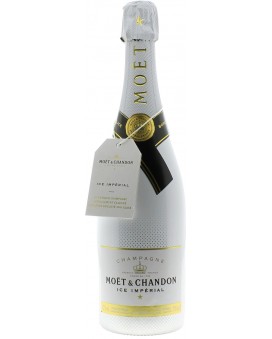
Champagne Moet Et Chandon Ice Impérial 75cl
To enjoy on sunny days, Moët & Chandon is reinventing the art of tasting with Moët Ice Impérial, the first semi-dry...47,00 € from 6 51,00 € unitIn stock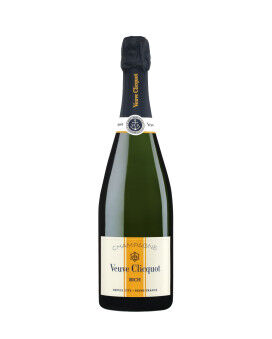
Champagne Veuve Clicquot Rich 75cl
Discover the new version of the Rich cuvée from Veuve Clicquot : a cuvée that combines fresh, fruity flavors for a more...50,00 €In stock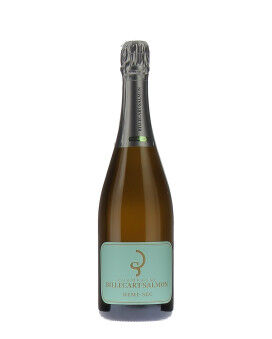
Champagne Billecart - Salmon Demi-Sec 75cl
Cuvée Demi-Sec from the prestigious Maison Billecart-Salmon founded in 1818, offers a higher sugar dosage (40g/l) than a...54,00 €In stock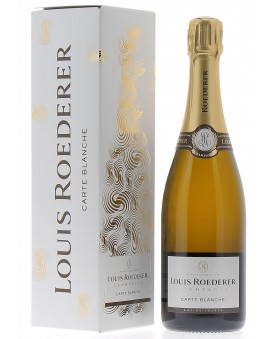
Champagne Louis Roederer Carte Blanche Demi-Sec 75cl
A gourmet demi-sec champagne !55,00 €In stock Only 1 left!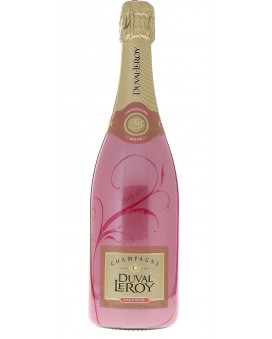
Champagne Duval - Leroy Lady Rosé 75cl
The Cuvée Lady rose sources its innovation spirit from Carol Duval-Leroy and from the experience of the Chef de Cave.59,00 €Sold out soon Only 11 left!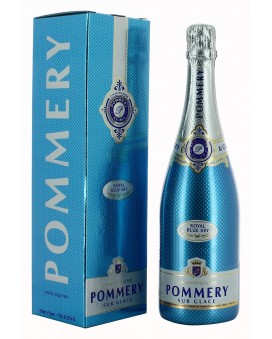
Champagne Pommery Royal Blue Sky 75cl
Pommery created Blue Sky! Enter this new universe where the pleasure of drinking Champagne has no limits, just like the blue...69,00 €In stock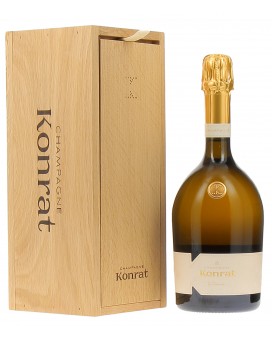
Champagne Konrat Velours 75cl
Discover champagne Velours from Maison Konrat : a great wine of champagne, sweet with very fine bubbles.89,00 €Temporarily out of stock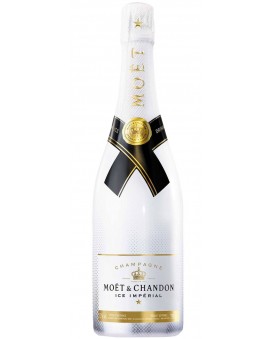
Champagne Moet Et Chandon Ice Impérial Magnum 150cl
To enjoy on sunny days, Moët & Chandon is reinventing the art of tasting with Moët Ice Impérial, the first chilled...119,00 €In stock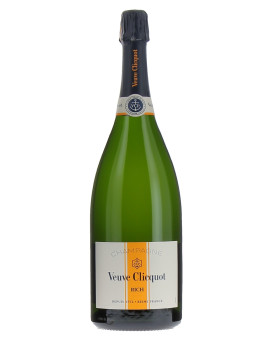
Champagne Veuve Clicquot Rich Magnum 150cl
Discover the new version of the Rich cuvée in magnum from the Maison Veuve Clicquot a cuvée that combines fruity and fresh...126,00 €In stock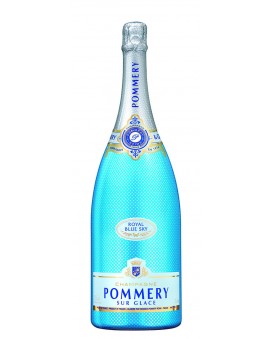
Champagne Pommery Royal Blue Sky Magnum 150cl
Pommery created Blue Sky! Enter this new universe where the pleasure of drinking Champagne has no limits, just like the blue...159,00 €In stock Only 2 left!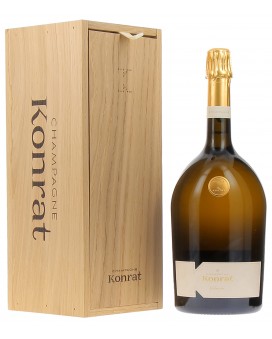
Champagne Konrat Velours magnum 150cl
Discover champagne Velours from Maison Konrat : a great wine of champagne, sweet with very fine bubbles.198,00 €In stock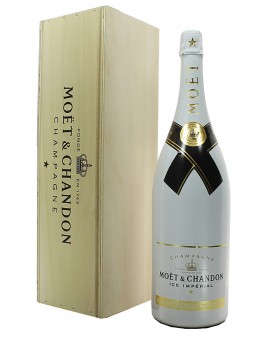
Champagne Moet Et Chandon Ice Impérial Jéroboam 300cl
To enjoy on sunny days, MOET ET CHANDON is reinventing the art of champagne tasting with Moët Ice Impérial, the first...482,00 €In stock Only 1 left!
What is a demi-sec Champagne?
A Matter of Dosage
“Demi-sec” is, above all, a matter of sugar. Contrary to popular belief, the term does not refer to a grape variety, a terroir, or a region: it simply indicates the amount of sugar in the bottle. A demi-sec Champagne contains between 32 and 50 grams of sugar per liter, making it one of the sweetest styles in Champagne. It is this sweetness that gives it its round, supple, and rich character—a world away from the tautness of a brut nature.
Dry, demi-sec, sweet: the flavor scale
To properly understand “demi-sec,” you need to know the full range of dosages defined by the appellation. From driest to sweetest, the categories are:
- Brut nature (or zero dosage): less than 3 g/L, no added sugar;
- Extra-brut: 0 to 6 g/L;
- Brut: less than 12 g/L, the most common style worldwide;
- Extra-dry: 12 to 17 g/L;
- Dry: 17 to 32 g/L;
- Demi-sec: 32 to 50 g/L;
- Sweet: more than 50 g/L, the sweetest of all.
You’ll notice a clever linguistic quirk here: a “dry” champagne is actually sweeter than a “brut.” These terms are historical legacies, coined at a time when champagne was much sweeter than it is today. Demi-sec, on the other hand, falls just before doux, at the very top of the sweetness scale.
Where does the sugar come from?
Where exactly does this sugar come from? It has nothing to do with artificially adding sugar to a finished wine. It all happens at a specific stage of production: the dosage. After aging, each bottle undergoes disgorgement, which involves removing the yeast sediment. The small volume that’s missing is then topped off with a “liqueur d’expédition,” a mixture of wine and grape sugar. It’s the amount of sugar in this liqueur that determines the final style, ranging from brut nature to demi-sec, including extra-brut. A demi-sec simply receives a liqueur with a higher sugar content.
Demi-sec: The Oldest Tradition in Champagne
Here is what will likely surprise you the most: far from being a marginal curiosity, sweet champagne is actually the ancestor of all the others. Brut, which we now consider the standard, is a recent invention.
In the beginning, champagne was sweet
In the 18th and 19th centuries, champagne was drunk sweet—very sweet, in fact. The tastes of the time were nothing like ours today: people enjoyed wines with a generous dose of sugar, often served with dessert. European courts vied with one another in their love of sweet treats, and the famous “Russian style,” intended for the tsars’ court, could contain up to 200 grams of sugar per liter—more than a modern soda. In fact, it was for the Imperial Court of Russia that the House of Louis Roederer created the Cristal cuvée in 1876.
The Invention of “Brut” in the 19th Century
The turning point came from England. As early as 1846, at the request of a London merchant, the Perrier-Jouët house shipped a virtually sugar-free cuvée across the Channel. The reception was frosty: far too dry for the time, it was a commercial failure. It wasn’t until 1874, thanks to the boldness of Louise Pommery—the renowned widow at the helm of her house—that the first “brut” champagne won over the English market for good. The style then spread slowly and did not truly gain a foothold in France until around 1910. “Brut,” now the undisputed king, is therefore barely more than a century old.
Demi-sec Today
In this history, demi-sec holds a special place: it is the direct and unapologetic heir to this sweet tradition, brought into modern balance. It no longer involves the extreme dosages of the past, but rather a controlled sweetness, designed for the pleasure of the palate. Long shunned by connoisseurs who swore by brut, it is now experiencing a genuine resurgence in popularity, driven by the rediscovery of sweet pairings and by a generation that dares to venture off the beaten path. Much more than a dessert champagne, it is a champagne for pleasure.
Aromatic Profile of Demi-Sec Champagne
Color and Bubbles
To the eye, demi-sec often has a slightly more golden and luminous color than brut, with pure gold highlights—sometimes with amber tones in older vintages. The bubbles, for their part, are generally fine and creamy: the sugar gives them a velvety texture that caresses the palate rather than cutting through it.
On the Nose: Candied Fruits and Indulgent Notes
It’s on the nose that the indulgent character reveals itself. In a demi-sec, you’ll find a generous, sunny palette: ripe fruits (peach, apricot, pear), candied fruits, notes of honey, brioche, and dried fruits, and sometimes a hint of exotic fruits like pineapple or mango. The aromas are round and enveloping, far more expressive than those of a crisp, taut brut. It’s a nose that immediately makes you want to take a bite out of a pastry.
On the palate: roundness without heaviness
On the palate, it’s all about balance. The sugar adds roundness, body, and a soft, comforting texture. But be careful—a good demi-sec is never heavy or cloying: it’s the champagne’s natural acidity, its freshness, and its bubbles that counterbalance the sweetness and keep the whole experience light and easy to drink. The cellar master’s expertise lies precisely in finding this balance between sweetness and liveliness. A successful demi-sec is both indulgent and fresh, never syrupy.
Food and Wine Pairings for Demi-Sec Champagne
This is perhaps where the demi-sec truly shines: at the table, it dares to pair with foods that no brut could ever attempt. Here’s how to enjoy it to the fullest.
Desserts and Pastries
The ultimate pairing, of course, is dessert. Demi-sec pairs wonderfully with pastries and desserts, provided you follow one golden rule: the dessert must never be sweeter than the champagne, or it will make the champagne seem tart and flat. So opt for fruit-based desserts (red berry tart, Tarte Tatin, fresh fruit salad), light pastries, macarons, gingerbread, or a Yule log that isn’t too sweet for the holidays. Paired with simple fresh strawberries, it’s an unbeatable treat.
Foie gras and sweet-and-savory pairings
Demi-sec isn’t limited to sweet pairings. It also excels with sweet-and-savory combinations—where you’d typically serve a sweet white wine. Foie gras is its perfect pairing: the champagne’s sweetness complements the richness and delicacy of the foie gras, while the bubbles cleanse the palate. The same principle applies to blue-veined cheeses, such as Roquefort, whose pronounced saltiness loves the sweet contrast. A bold pairing worth trying at least once.
Brunch, Aperitifs, and World Cuisines
Finally, don’t limit demi-sec champagne to the end of a meal. Its fruitiness makes it an excellent companion for brunch—paired with pastries or a fruit salad—and an original aperitif for those who don’t care for the austerity of brut champagne. It also pairs wonderfully with spicy and exotic cuisines—Thai, Indian, or Moroccan—taming the heat while highlighting the sweet notes. I really encourage you to try these less-expected pairings: that’s often where the most delightful surprises are found.
How to Properly Serve and Enjoy a Demi-Sec Champagne
A fine demi-sec deserves to be served by the book to bring out its best qualities. A few simple guidelines are all it takes.
The Right Temperature
A demi-sec should be served cooler than a brut, ideally between 6 and 8°C. This slightly cooler temperature is essential: it balances the sweetness, brings out the acidity, and prevents any sensation of heaviness. A demi-sec served too warm would taste syrupy, whereas when properly chilled, it remains lively and elegant. Remember to place it in a bucket filled with water and ice cubes for about twenty minutes before serving.
The Right Glass and the Right Moment
When it comes to the glass, avoid a bowl that’s too wide, as it allows the aromas and bubbles to escape. Opt for a flute or, better yet, a tulip-shaped glass, whose shape concentrates the wine’s rich bouquet. As for the occasion, this demi-sec naturally shines with dessert and during special sweet celebrations: Christmas, the Galette des Rois, a birthday, or a festive afternoon tea. It’s the champagne of conviviality and sweetness.
Storage and Service
Like all champagne, demi-sec should be stored on its side, away from light and temperature fluctuations. Most demi-sec champagnes are best enjoyed young to savor their vibrant fruitiness and freshness, though the finest cuvées can gain in complexity after a few years. Once opened, the bottle can be kept in the refrigerator for a day or two with an airtight stopper, but of course, it’s best to share it right away!
What is the difference between a brut and a demi-sec champagne?
The difference lies solely in the amount of sugar. A brut champagne contains less than 12 grams of sugar per liter, giving it a dry and crisp profile. A “demi-sec” contains between 32 and 50 grams, making it noticeably sweeter, rounder, and fruitier. “Brut” is best enjoyed as an aperitif or with a meal, while “demi-sec” is the ideal champagne for dessert and sweet pairings.
What to Pair with a Demi-Sec Champagne?
Demi-sec pairs perfectly with fruit-based desserts, lightly sweetened pastries, gingerbread, or a Yule log. It’s also outstanding with foie gras and blue-veined cheeses like Roquefort, as well as with spicy and exotic dishes. The golden rule: always make sure the dessert is less sweet than the champagne.
At what temperature should you serve a demi-sec champagne?
A demi-sec champagne should be served well-chilled, between 6 and 8°C—slightly cooler than a brut. This chill balances its sweetness and preserves its liveliness. Place the bottle in a bucket of water and ice for about 20 minutes before serving, and avoid leaving it in the freezer for too long, as this will freeze out its aromas.
Is demi-sec champagne of lower quality?
Absolutely not—that’s a common misconception. Demi-sec is not a “failed” champagne or one masked by sugar, but a distinct style in its own right that requires true expertise to balance sweetness and freshness. You can find excellent demi-sec champagnes from both the major houses and independent winemakers. Its reputation stems mainly from the trend toward brut, which has long—and wrongly—relegated sweet champagnes to the background.
Trusted Reviews
97% of satisfied customers Shipping 24H
Order before 11AM Gift Message
free + 1200 références
in stock Storage
Hydro-regulated Secure Payment
Credit Card, Amex, Paypal, Bank transfer 
Interdiction de vente de boissons alcooliques aux mineurs de moins de 18 ans.
La preuve de majorité de l’acheteur est exigée au moment de la vente en ligne
Code de la santé publique.Art L.3342-1 et L.3353-3