- A.Bergere
- Abelé 1757
- Agrapart
- Alfred Gratien
- Apollonis
- Armand de Brignac
- Ayala
- Barons de Rothschild
- Beaumont des Crayères
- Benoît Lahaye
- Bergeronneau Marion
- Besserat De Bellefon
- Billecart - Salmon
- Blin
- Bollinger
- Bruno Paillard
- Canard Duchene
- Castelnau
- Cattier
- Charles Collin
- Charles Heidsieck
- Chartogne-Taillet
- Chassenay d'Arce
- De Saint Gall
- De Sousa
- De Venoge
- Delamotte
- Demoiselle
- Deutz
- Devaux
- Diamant Vranken
- Dom Perignon
- Drappier
- Duval - Leroy
- Egly-Ouriet
- Epc
- Fleury
- Gosset
- Heidsieck & Co Monopole
- Henri Giraud
- Henriot
- Jacquart
- Jacquesson
- Jean-Noel Haton
- Joseph Perrier
- Konrat
- Krug
- Lafitte
- Laherte
- Lallier
- Lanson
- Larmandier-Bernier
- Laurent-Perrier
- Leclerc Briant
- Lenoble
- Lombard
- Mailly Grand Cru
- Moet Et Chandon
- Montaudon
- Moussé Fils
- Mumm
- Napoleon
- Nicolas Feuillatte
- Pannier
- Paul Goerg
- Perrier Jouet
- Philipponnat
- Pierre Gimonnet
- Piper - Heidsieck
- Pol Roger
- Pommery
- Rare Champagne
- Louis Roederer
- Ruinart
- Salon
- Selosse
- Soutiran
- Taittinger
- Thienot
- Tsarine
- Veuve Clicquot
- Veuve Lanaud
ROSÉ CHAMPAGNE
Discover the best rosé champagnes from independent winemakers and the major champagne houses. Enjoyed from aperitif to dessert, rosé champagne appeals to both enthusiasts looking to explore new flavors and connoisseurs seeking rare vintages. At Envie de Champagne, we’ve selected the finest bottles from our cellar just for you, for every occasion—from Valentine’s Day to major celebrations.

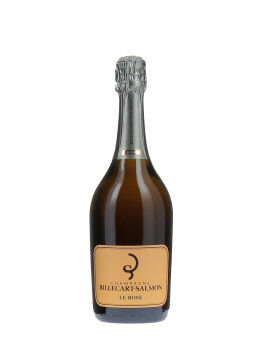
Champagne Billecart - Salmon Le Rosé 75cl
Probably the most famous cuvée from Maison Billecart-Salmon , faithful to its reputation and quality.69,00 € from 6 71,00 € unitOrder limited to 36
Champagne Barons De Rothschild Rosé 75cl
An unusual, exuberant marriage of Chardonnay and Pinot Noir that stirs the soul.71,00 €Temporarily out of stock
Champagne Bollinger Rosé 75cl
Champagne Rosé from BOLLINGER : the freshness of a rosé combined with the Bollinger’s structure !This rosé champagne is...73,00 €Temporarily out of stock
Champagne Chartogne-taillet Le Rosé 75cl
"Le Rosé" from Maison Chartogne-Taillet is a Rosé champagne made from a blend of Chardonnay and black grape varieties (with a...74,00 €Temporarily out of stock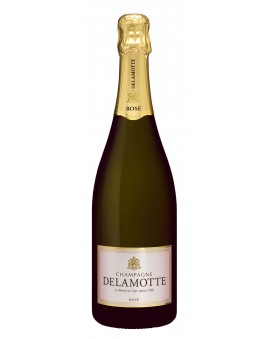
Champagne Delamotte Rosé 75cl
DELAMOTTE 's rosé champagne is a very delicate rosé that expresses itself with finesse.75,00 €In stock
Champagne Perrier Jouet Blason Rosé 75cl
Champagne Blason Rosé from Maison Perrier-Jouët is a gourmet champagne, full of generosity and spontaneity.79,00 €In stock- Limited Edition
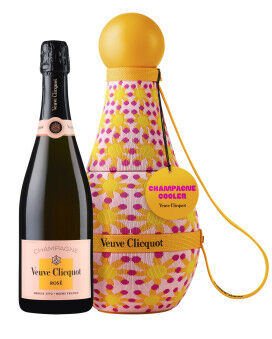
Champagne Veuve Clicquot Brut Rosé Champagne Cooler by Yinka Ilori 75cl
Discover VEUVE CLICQUOT 's Rosé champagne in a limited edition box: the cooler signed by artist Yinka Ilori.79,00 €In stock 
Champagne Ruinart Brut Rosé 75cl
A harmonious, round champagne rosé.81,00 € from 6 89,00 € unitIn stock- Limited Edition
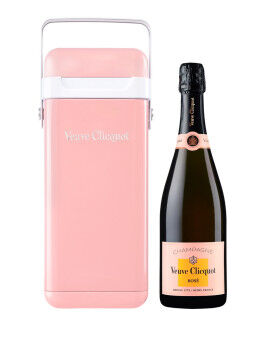
Champagne Veuve Clicquot Rosé Cooler 75cl
Discover VEUVE CLICQUOT 's Rosé champagne in a limited edition box: the cooler, a cooler that combines design and practicality.85,00 €Temporarily out of stock 
Champagne Pommery Pack four quarter Pop Rosé 20cl
Avant-garde, unconventional: Pink Pop Rosé Champagne Pommery is as cheerful by day as it is romantic by night. Discover...86,00 €In stock Only 6 left!- Limited Edition

Champagne Louis Roederer Brut Nature Rosé 2018 by Starck 75cl
A 2018 vintage of exceptional quality for this elegant rosé champagne.91,00 €In stock 
Champagne Ruinart Brut Rosé second skin case 75cl
Le rosé de Ruinart, an assertively fresh rosé in its eco-responsible "second skin" case. Perfect as a gift.92,00 €In stock
Champagne Besserat De Bellefon Cuvée des Moines Rosé Magnum 150cl
Founded in 1843 by Edmond Besserat, the famous Maison de Champagne “Négociant – Manipulant” Besserat de Bellefon offers this...95,00 €In stock
Champagne Mumm Rosé Magnum 150cl
Champagne Le Rosé from MUMM is an elegant and delicate cuvée, faithfull to its terroir and to the inimitable style of...96,00 €In stock
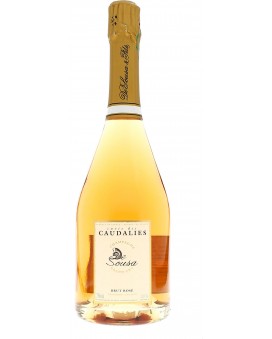
Champagne De Sousa Cuvée Caudalies Rosé 75cl
Discover the Caudalies Rosé from the DE SOUSA house, composed of 90% Chardonnay Grand Cru, from old vines and vinified in...98,00 €Order limited to 6
Champagne Tsarine Rosé Magnum 150cl
Champagne Rosé Tsarine, renowned for its great finesse, is splendid in its original bottle, created especially for the House.106,00 €In stock
Champagne Egly-ouriet Brut Grand Cru Rosé 75cl
The richness of this Grand Cru Rosé of the EGLY-OURIET house comes from the concentration of the wine, but also from a still...122,00 €Order limited to 1
Champagne Deutz Brut Rosé Magnum 150cl
Thanks to 170 years of know-how, Maison de Champagne Deutz created a Brut Rosé which is remarkably rated by the famous...125,00 €In stock
Champagne Moet Et Chandon Ice Impérial Rosé Magnum 150cl
Once again, MOET ET CHANDON leads innovation !Moët Ice Impérial Rosé, the first and only champagne especially created to be...129,00 €In stock Only 2 left!
Champagne Gosset 12 ans de cave rosé 75cl
The champagne 12 ans de cave Rosé of the House Gosset shows us all the mastery of the art of ageing of this House.135,00 €In stock Only 4 left!
Champagne Gosset Grand Rosé Magnum 150cl
Gosset Grand Rosé is a great rosé champagne , both powerful and charming. Discover it here in its Magnum size: a 1.5-liter...143,00 €In stock
Champagne Bruno Paillard Rosé Première cuvée magnum 150cl
The Champagne Rosé Première Cuvée of the Bruno Paillard House in magnum is a blended rosé champagne, composed of a majority of...145,00 €In stock Only 2 left!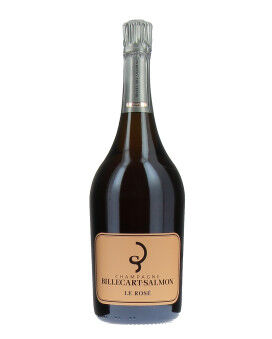
Champagne Billecart - Salmon Le Rosé Magnum 150cl
Probably the most famous cuvée from Maison Billecart-Salmon , faithful to its reputation and quality.149,00 €In stock- Limited Edition

Champagne Tsarine Zéro Dosage Rosé magnum 150cl
Discover the Tsarine Zéro Dosage Rosé in a magnum bottle, a limited and numbered edition created to celebrate the 30th...176,00 €In stock 
Champagne Ruinart Brut Rosé Magnum 150cl
A well-balanced rosé with the freshness of chardonnay and the fruitiness of pinot noir, in a large format!199,00 €In stock
Champagne Henri Giraud Dame Jane Magnum 150cl
The Dame Jane cuvée from the House of Henri Giraud is a great rosé champagne! A mythological goddess of fertility in terracotta...207,00 €Temporarily out of stock
Champagne Ruinart Brut Rosé second skin case Magnum 150cl
Large-format Ruinart Rosé in its innovative, eco-responsible "Seconde peau" case.208,00 €In stock
Champagne Henri Giraud Fût de chêne mv Rosé 75cl
Discover the famous cuvée M ulti V intage in its rosé version ...295,00 €In stock Only 3 left!
Champagne Egly-ouriet Brut Grand Cru Rosé Magnum 150cl
The richness of this Grand Cru Rosé of the EGLY-OURIET house comes from the concentration of the wine, but also from a still...312,00 €Temporarily out of stock
Champagne Krug Rosé 29ème Edition 75cl
An original rosé champagne, balanced between finesse and substance.378,00 €In stock Only 2 left!
Champagne Ruinart 4 Ruinart Rosé in wooden box 75cl
A prestigious wooden case containing 4 bottles of Rosé Ruinart champagne. A top-of-the-range gift for rosé lovers.383,00 €In stock- Limited Edition

Champagne Tsarine Zéro Dosage Rosé Jéroboam 300cl
Treat yourself to the Tsarine Zéro Dosage Rosé in a jeroboam—a numbered, limited-edition cuvée created to celebrate Maison...390,00 €In stock 
Champagne Taittinger Brut Prestige Rosé Jéroboam 300cl
Prestige Rosé from TAITTINGER is a champagne of the highest class.472,00 €In stock Only 1 left!
Champagne Armand De Brignac Brut Rosé 75cl
Armand de Brignac Brut Rosé champagne is the result of a traditional and complex production method: blending. Discover the...514,00 €In stock Only 1 left!- Free Shipping

Champagne Deutz Rosé Mathusalem 600cl
Thanks to 170 years of know-how, Maison de Champagne Deutz created a Brut Rosé which is remarkably rated by the famous...672,00 €In stock Only 1 left! 
Champagne Selosse Rosé 75cl
The Champagne Rosé of JACQUES SELOSSE is a Grand Cru rosé, produced in very small quantities.885,00 €Order limited to 1
Champagne Armand De Brignac Brut Rosé Magnum 150cl
Armand de Brignac Brut Rosé champagne is the culmination of a traditional and complex production method: blending. Discover...1 160,00 €In stock Only 1 left!
Where does rosé champagne come from?
The history of rosé champagne dates back to 1764, when the House of Ruinart brought to market one of the first rosé Champagnes, in a style then known as “œil-de-perdrix.” Invented well before the rise of the major modern Houses, it remained a curiosity for a long time. Its growth accelerated in the late 20th century, in the 1990s, driven by exports to the United Kingdom, the United States, and Japan. Rosé has gained genuine renown: its production, rooted in a long tradition and the culture of Champagne winemaking, makes it one of the appellation’s most dynamic segments.
The Production of Rosé Champagne
How is rosé champagne made?
Rosé Champagne owes its color to one of Champagne’s defining characteristics: Champagne is the only region in France authorized to blend a clear white wine with a red wine to produce a rosé. However, two production methods coexist, each with its own sensory profile.
Blended rosé, the most common type, involves adding a small proportion of red Champagne (most often made from Pinot Noir) to a clear white base wine before the second fermentation begins. This non-tannic winemaking technique allows for precise control over color and aromatic balance.
What is the difference between rosé Champagne and rosé Champagne made by the saignée method?
Rosé Champagne can be produced using two distinct methods: blending and saignée, each resulting in very different profiles.
Blended rosé Champagne—the most common method in Champagne—is produced by blending a light white wine with a small proportion of red Champagne. It typically has a color ranging from powdery pink to salmon pink, often delicate and luminous. Its style emphasizes finesse, fruity freshness, and elegance, with a light and harmonious profile.
Rosé champagne made by the “saignée” method, produced on a smaller scale, is crafted from black grapes that are left to macerate for a few hours before the juice is “bled” to continue the winemaking process. This method gives the wine a deeper color, ranging from orange-pink to intense pink. Its aromatic profile is generally more powerful, marked by notes of red fruits, a beautiful structure, and greater richness on the palate.
Thus, blended rosé offers delicacy and refinement, while saignée rosé stands out for its intensity, character, and aromatic depth.
What are the aromas of rosé champagne?
Rosé champagne is distinguished by its fruity freshness and aromas of red fruits (strawberry, raspberry, red currant), enhanced by citrus notes, floral hints, and a lovely minerality. Its color ranges from powdery pink to salmon pink, all the way to the vibrant orange-pink of saignée rosés. On the nose, it is fruity and fresh; on the palate, its fine bubbles, acidity, and liveliness create a wine that is both indulgent and elegant—sometimes delicate and light, other times rich, intense, and powerful, depending on the cuvée.
Contrary to popular belief, rosé champagne is no sweeter than white champagne: the color has no bearing on the dosage. As a result, cuvées are available in Brut Rosé, Extra Brut, Brut Nature (undosed), and Demi-sec, depending on the desired style.
To enjoy it properly, serve a Brut Rosé champagne at a temperature of 8 to 10 °C in a tulip-shaped glass to allow all its nuances to shine through.
What are the best rosé champagnes?
The best rosé champagne is, above all, the one that suits your taste and the occasion. For an elegant aperitif, opt for lively, fruity rosés; to pair with a meal, choose more structured cuvées. Our selection brings together the finest names in rosé champagne: iconic Houses such as Veuve Clicquot, Dom Pérignon, Louis Roederer, Ruinart to traditional houses such as Deutz, Billecart-Salmon, Alfred Gratien. You’ll find everything from entry-level cuvées to prestige cuvées, such as the Laurent-Perrier Rosé.
What dishes pair well with rosé champagne?
More structured and fruitier than white champagne, rosé champagne is one of the most versatile wines at the table. The choice of cuvée refines the food-wine pairing: a blended rosé, light and delicate, pairs well with delicate dishes, while a saignée rosé, more intense and powerful, holds its own against bold dishes.
A few must-try pairings:
- Appetizers: gougères, smoked salmon on toast, tapas
- Seafood and shellfish: oysters, langoustines, lobster, seafood platter
- Raw fish: tartare, carpaccio, sushi, and sashimi
- White meats: roasted poultry, duck breast, veal
- Red meats (blood-drained cuts): beef, game
- Desserts and sweet-and-savory dishes: red berry desserts, foie gras, duck with fruit
Versatile and festive, it’s just as at home at a summer meal on the patio as it is at a grand celebration, a Valentine’s Day dinner, or a festive toast.
Buy rosé champagne online
Just like at your local wine shop, but with just a few clicks: buying rosé champagne online gives you access to a wide selection of bottles in stock, with your champagne delivered in perfect condition. Use our filters to sort champagnes by price range, type of rosé, producer, or vintage; check out customer reviews and each product’s details to choose the perfect bottle. To place an order, simply create a customer account or log in to your account; all you need is a password to access your cart, make changes, apply a promo code, and complete your purchase. As for bottle sizes, choose the standard 75 cl bottle of champagne, a half-bottle for a tasting for two, or a magnum (1.5 liters) for large gatherings. Whatever the vintage on offer, you’ll find the widest selection of rosé champagne currently available on this page.
Excessive alcohol consumption is harmful to your health. Please drink responsibly.
Is rosé champagne sweeter than white champagne?
No, that’s a very common misconception. The color of a champagne has nothing to do with its dosage: rosé champagnes come in Brut Nature (undosed), Extra Brut, Brut, and Demi-sec. The sugar content depends solely on the liqueur d’expédition added after disgorgement, not on the method used to produce the color.
Can you age a rosé champagne in the cellar, or should it be drunk young?
Blended rosés, which are lighter and fruitier, are generally best enjoyed in their early years to fully appreciate their freshness. Saignée rosés and vintage rosés, on the other hand, are more structured and can age for several years, developing more complex notes of ripe fruit and dried fruit.
What is the difference between a vintage and a non-vintage rosé champagne?
A non-vintage rosé is a blend of grapes from multiple harvest years, designed to ensure consistency in a house’s style from one year to the next. A vintage rosé comes from a single year deemed exceptional and reflects the characteristics specific to that vintage, resulting in a more distinctive expression.
Trusted Reviews
97% of satisfied customers Shipping 24H
Order before 11AM Gift Message
free + 1200 références
in stock Storage
Hydro-regulated Secure Payment
Credit Card, Amex, Paypal, Bank transfer 
Interdiction de vente de boissons alcooliques aux mineurs de moins de 18 ans.
La preuve de majorité de l’acheteur est exigée au moment de la vente en ligne
Code de la santé publique.Art L.3342-1 et L.3353-3