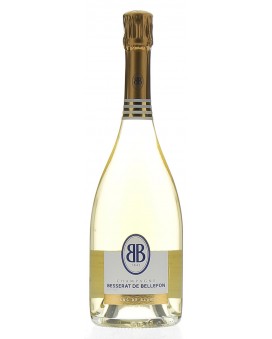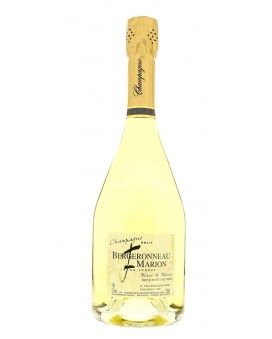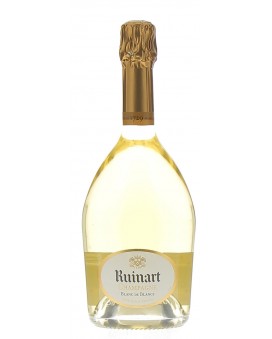

Its aromatic profile is instantly recognizable: aromasof citrus, white flowers, and fresh fruit, supported by a lively acidity that gives it remarkable aging potential. On the chalky terroir of the Côte des Blancs, it expresses a minerality found nowhere else in the world.
It’s worth noting, however, that this Burgundian grape variety was long considered too acidic and incapable of producing great wines. Today, it has become the region’s undisputed star.
Where does Chardonnay come from?
A Burgundian grape variety with a mysterious etymology
Let’s start with its origins. Chardonnay is a French white grape variety that originated in Burgundy, more specifically from a natural cross between Pinot Noir and a variety that has now almost disappeared, Gouais Blanc. Its name comes from the village of Chardonnay, located in the Mâconnais region.
In fact, some historians suggest a Hebrew etymology, derived from the words “gate” and “Eden,” linked to the Crusaders who set out for Jerusalem and are said to have brought the grape variety back with them. It’s an appealing theory, even though the Burgundian origin is now widely accepted.
From “ugly duckling” to star of Champagne
The key point to remember is that Chardonnay hasn’t always been so famous in Champagne. For a long time, it was considered a secondary grape variety, producing still wines deemed too acidic—a simple, sour wine that was difficult to enjoy on its own.
Everything changed with the development of the Champagne method. That much-maligned acidity actually became Chardonnay’s greatest asset for making sparkling wines: it brings the freshness, tension, and aging potential that Champagne needed. In other words, the ugly duckling turned out to be a magnificent swan once paired witheffervescence.
Chardonnay in the vineyard: a demanding yet generous grape variety
An early-ripening, sensitive yet promising grape variety
Before we talk about tasting, let’s take a detour to the vineyard. Chardonnay is an early-ripening grape variety, which means that budbreak occurs early in the season, generally in late March or early April. This early ripening is both its strength and its weakness: it allows it to reach full maturity in cool climates like Champagne, but it also exposes it to the dreaded late spring frosts that can wipe out a harvest overnight.
Nicknamed the “golden grape” by many winemakers for the quality and value of the wines it produces, Chardonnay nevertheless has several vulnerabilities that must be understood:
- It is vulnerable topowdery mildew and gray mold, two common fungal diseases
- It can suffer from fruit drop and uneven berry size during flowering, which reduces yield
- It requires sufficient sunlight to achieve aromatic maturity
- It benefits from long pruning, which helps balance vigor and yield
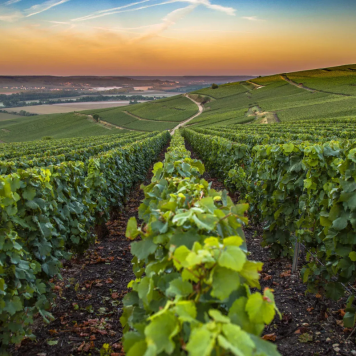
On the other hand, it exhibits excellent cold hardiness and remarkable adaptability, which explains its success around the world. In Champagne, it thrives on low-fertility limestone soils, where chalk naturally regulates its water supply.
The Chardonnay Terroirs of Champagne
The Côte des Blancs, the cradle of Champagne Chardonnay
Now that we’ve seen the grape variety in the vineyard, we can move on to the terroirs. And it’s impossible to talk about Champagne Chardonnay without starting with the Côte des Blancs. Thanks to a chalky subsoil of exceptional purity, the Côte des Blancs offers Chardonnay a tailor-made terroir. Specifically, this chalk regulates the vine’s water supply, retains heat at night, and imparts that characteristic chalky minerality. We often hear about the “crayères”—those cellars dug into the chalk beneath Reims —which also provide ideal aging conditions.
Among the iconic villages, several names capture the imagination of all wine lovers, most of which are classified as Grands Crus:
- Le Mesnil-sur-Oger, a legendary Grand Cru, known for the mineral tension and aging potential of its Chardonnays
- Avize, also a Grand Cru, renowned for the elegance and floral notes of its wines
- Oger, a Grand Cru that produces rounder, fruitier Chardonnays
- Chouilly, a Grand Cru, tends toward suppleness and aromatic approachability; the Chouilly vineyard is, in fact, the source of certain iconic vintages
- Cramant, a Grand Cru, famous for the creaminess of its bubbles and its aromatic richness
Montagne de Reims, Vallée de la Marne, and Côte des Bar
Of course, the Côte des Blancs does not have a monopoly on Chardonnay. It is also found in other Champagne subregions, where it reveals a distinct character that varies from one region to another.
In the Montagne de Reims, the clay-limestone soils give Chardonnay more body and structure. Certain villages, such as Rilly-la-Montagne, produce very interesting Chardonnays, and the northern part of the Montagne, particularly the Merfy terroir, offers unique expressions crafted by winemakers like AR Lenoble. In theAÿ-Champagne and Mutigny areas, better known for Pinot Noir, Chardonnay brings freshness and tension to the blends.
In the Marne Valley, it provides balance to the dominant Meunier. Finally, in the Côte des Bars, further south, the marl soils and more continental climate produce riper Chardonnays, characterized by notes of yellow fruit and ripe fruit.
A single grape variety can produce wines that are truly different depending on its terroir. I encourage you to compare a Blanc de Blancs from Mesnil-sur-Oger with a Blanc de Blancs from the Côte des Bars: you’ll see, the difference is striking. Alongside these Grands Crus, there are numerous Premiers Crus also offer excellent expressions at more affordable prices.
The aromatic profile of Champagne Chardonnay
Freshness, finesse, and minerality: the signature
Now let’s move on to the tasting—this is where Chardonnay reveals its full personality. In Champagne, this grape variety is distinguished by three key qualities: freshness, finesse, and minerality. It’s somewhat like its aromatic identity card—a complex, mineral profile that’s instantly recognizable.
Visually, it features a pale color with bright, golden highlights, fine bubbles, and lovely effervescence. On the nose, the bouquet is delicate and expressive: notesof citrus (lemon, grapefruit), white flowers (hawthorn, acacia), and fresh fruit (pear, green apple), sometimes with a hint of fresh almond. In the Côte des Bars cuvées, you may also find hints of exotic fruits and ripe fruits.
On the palate, different styles of attack coexist depending on the cuvée and vintage:
- A lively, almost sharp attack in the young Blancs de Blancs from Mesnil-sur-Oger
- A supple and charming attack in the cuvées from Oger or Chouilly
- A silky, indulgent attack in the ripe, precisely dosed cuvées
- A full-bodied attack in the Chardonnays from the Montagne de Reims, with more volume and body
A silky texture, liveliness, airy lightness, and a long finish are the hallmarks of the great cuvées. The rounded finish, often marked by a deep, briny length, leaves an almost iodine-like mineral impression. Some also speak of a fine or oval structure on the palate, with moderate presence but beautiful aromatic intensity. When everything comes together, we speak ofperfect balance.
Aromas That Evolve Over Time
What’s fascinating about Chardonnay is its ability to evolve superbly over time. In a young Champagne, the nose is typically delicate, floral, and fruity, with a crisp acidity and remarkable fruit purity. You can detect typical notes such as a pear-like nose or a peach-like palate, with that characteristic lively peach flavor.
After a few years on the lees, the wine develops secondary aromas of brioche, pastries, yeast, cookies, and dried fruit. This is what gives aged vintages their generous roundness and buttery character. The style then becomes more powerful and rich, with beautiful fullness on the palate.
And in the great vintages aged even longer, tertiary aromas take center stage: hazelnut, honey, quince, notes of coffee, toast, cocoa, vanilla, and even a hintof pear brandy. Toasted and roasted notes dominate, sometimes with a spicy nose in older vintages. This is what makes great Champagne Chardonnays wines with very long aging potential, capable of reaching their peak beyond 20 years. Cuvées that remain light and airy despite their age are particularly sought after.
Some houses use the solerasystem, a method inspired by sherry that involves storing and blending reserve wines over several decades, ensuring remarkable stylistic consistency.
Blanc de Blancs and the Role of Chardonnay in the Blend
What exactly is a Blanc de Blancs?
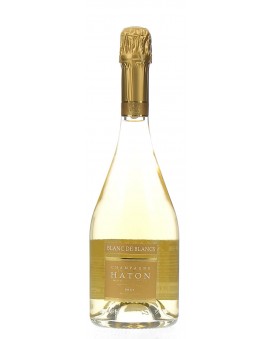
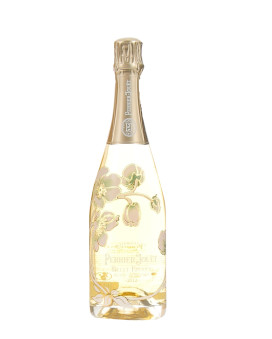
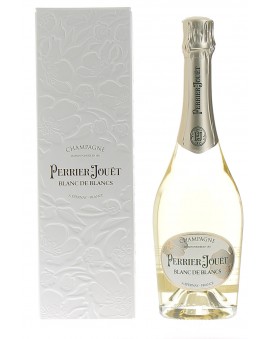
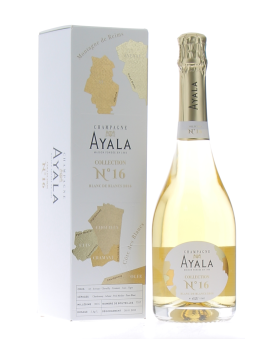
You may be wondering what exactly “Blanc de Blancs” means. It’s very simple: a Blanc de Blancs is a champagne made exclusively from white grapes. In practice, in Champagne, this means 100% Chardonnay in the vast majority of cases—a champagne composed solely of Chardonnay.
This designation, printed on the label, therefore guarantees that you are enjoying a single-varietal Champagne, where the Chardonnay can express itself without the counterpoint of red grape varieties. A Blanc de Blancs highlights the aromatic purity, minerality, and crystalline elegance for which the grape variety is renowned.
Chardonnay: The Backbone of Blends
But Chardonnay isn’t limited to Blanc de Blancs. In classic blends, where it is combined with Pinot Noir and Meunier, it plays an absolutely essential role: that of the backbone of Champagne.
Specifically, it brings freshness, finesse, tension, and aging potential. It brightens the wine, energizes it, and makes it more airy. It acts as a bridge, balancing the power of Pinot Noir with the fruitiness of Meunier. Without Chardonnay, many great cuvées would lose their brilliance.
Don’t confuse Blanc de Blancs with Blanc de Noirs. Blanc de Noirs is also a light-colored champagne, but it is made from black (Pinot Noir and/or Meunier) vinified as white wine. The profile is very different: more fruity, more structured, with a more pronounced of fruit.
Chardonnay Around the World: From Chablis to New Zealand
A brief aside to place Champagne Chardonnay in its global context. We’re talking about an international grape variety, grown on every wine-producing continent, and it’s interesting to understand what makes the Champagne expression unique.
In Burgundy, its land of origin, Chardonnay produces iconic still wines: the delicate, mineral-driven Chablis in the north; the rich, buttery Meursaults in the Côte de Beaune; and, of course, the Chardonnays of Marsannay in the Côte de Nuits. Abroad, the variety is found in very different styles:
- In California, in richer and often oaky Chardonnays
- In Australia, with the elegance of the Yarra Valley and the finesse of Margaret River
- In New Zealand, particularly in Marlborough, with livelier profiles
- In Italy, inAlto Adige and Friuli, with alpine freshness
- In South Africa, in the Cape Region, with some recent standout wines
What sets Champagne Chardonnay apart is precisely this unique combination: chalky soil, a cool climate, the Champagne method, and extended aging on the lees. It’s a formula that no other region in the world can replicate exactly.
Food and Wine Pairings: Elevating Chardonnay at the Table
A Blanc de Blancs is a champagne that pairs wonderfully with food. Asan aperitif, of course, but also throughout the meal depending on the dishes chosen. Champagne Chardonnay pairs just as well with a light appetizer as it does with cheese at the end of the meal.
Here are a few classic pairings that never fail:
- Seafood and shellfish: oysters, langoustines, lobster, scallops
- Finefish: sole, turbot, sea bass baked in a salt crust, salmon carpaccio
- Sashimi and sushi: the freshness of Chardonnay pairs perfectly with the delicacy of raw fish
- Poultry in cream sauce: Bresse chicken in cream sauce, light blanquette
- Agedcheeses: young Comté, Parmesan, aged Gruyère
- Delicatedesserts: lemon tart, strawberry charlotte, pink Reims cookies
- Very mildly spiced dishes: mild Thai cuisine, citrus-infused tagines
For a slightly more original pairing, try a mature Blanc de Blancs with caviar or truffled white meat: the chalky minerality and toasty notes of the champagne work wonders. With Blanc de Noirs or more full-bodied Chardonnays, you can also try fresh red berries for dessert.
Iconic Cuvées and Must-Try Houses
When it comes to houses and winemakers, Chardonnay takes center stage in some of Champagne’s most prestigious cuvées. Among the must-try options:
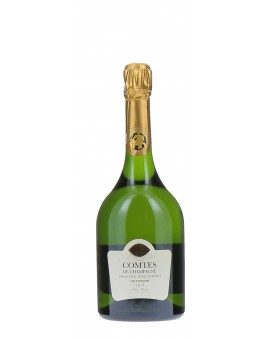
- Le Comtes de Champagne by Taittinger, a sublime flagship vintage Blanc de Blancs cuvée sourced from the finest Grand Cru-classified plots of the Côte des Blancs
- Le Dom Ruinart Blanc de Blancs, a prestige cuvée from the oldest Champagne house, aged in the chalk cellars ofthe former Saint-Nicaise Abbey in Reims, 18 meters underground—perfect conditions for aging for over 8 years
- Gosset’sGrand Blanc de Blancs, all purity and freshness, made from grapes harvested from among the finest Grand Cru villages
- The Chardonnay cuvées from AR Lenoble, particularly those from the Merfy terroir in the northern part of the Montagne
- The Chardonnay cuvées from Henriot, renowned for their delicate aromas that evolve over time
Not to mention Salon and Delamotte in Mesnil-sur-Oger, or, among the independent winemakers, names that thrill enthusiasts: Agrapart, Pierre Gimonnet, and Larmandier-Bernier. Don’t hesitate to stop by their cellars on your next visit to Champagne—it’s a true sensory journey.
Conclusion: Chardonnay, an exceptional grape variety to explore to your heart’s content
Remember that Chardonnay is much more than just a grape variety in Champagne: it’s the common thread that brings freshness, finesse, and aging potential to the majority of the region’s great cuvées.
On the Côte des Blancs, it expresses its full chalky minerality; in a Blanc de Blancs, it reveals its crystalline purity; in a blend, it serves as an elegant backbone. And over time, it evolves into notes of brioche, hazelnut, and honey, making it one of the most fascinating wines for aging in the world.