
What is rosé champagne?
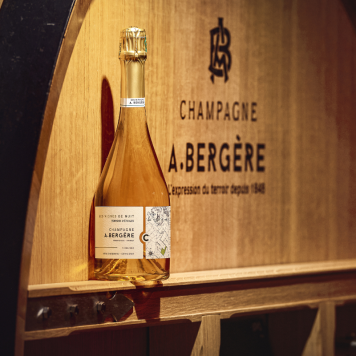
Champagne rosé is an effervescent wine from the Champagne appellation with a color ranging from pale pink to orange, depending on the winemaking method and the grape varieties used, mainly Pinot Noir, Pinot Meunier and Chardonnay.
What distinguishes it from a white champagne is, of course, its color, but also its characteristic aromatic profile: red fruits (strawberry, raspberry, redcurrant, cherry), floral notes, and often a touch of spice, depending on the grape variety. The bubbles are fine, and the palate is generally round and fruity, with a freshness and lightness that make this brut rosé champagne particularly enjoyable, whether served as a half-bottle for two, or in a magnum for a large table.
Is it always less powerful than a white?
No, and this is one of the most common misconceptions. It all depends on the grape variety and the winemaking method:
- A predominantly Chardonnay will be more delicate, airy and floral.
- A predominantly Pinot Noir or Meunier will have more body, power and vinosity
- A rosé de saignée will be the most structured and gastronomic of the three.
Why is it often more expensive?
Rosé champagne is generally a little more expensive than non-vintage non-vintage brut champagne. This is because its production requires more stages, more time and more labor. At Envie de Champ, prices for rosé champagnes start at around 25 euros, compared with 20 euros for a classic non-vintage brut. A reasonable difference for a champagne that offers a truly different taste experience.
How is rosé champagne made?
This is where it gets interesting. Champagne rosé is an effervescent wine made using the méthode champenoise with its second fermentation in the bottle that creates the bubbles, but there are two very distinct ways of giving it its color.
Rosé blending: the most widespread method
Blended rosé is obtained by blending white wines with a small proportion of red wine, generally between 5 and 20% from black grapes, mainly Pinot Noir. This is the only appellation in France that legally allows red wine to be added to white wine to produce rosé.
The result is a lighter, more delicate rosé champagne, with fine fruity aromas and a pale color with salmon or pinkish highlights. This is the method used by most of the great houses for their emblematic rosé cuvées: Billecart-Salmon, Moët & Chandon, Veuve Clicquot, Nicolas Feuillatte, Ruinart...
Rosé de saignée: the most powerful method
Rosé de saignée is made by maceration: the black grapes (mainly Pinot Noir) macerate briefly with their skins. The juice "bleeds" and recovers color, tannins and aromas directly from the skins. Depending on the length of maceration, from 8 to 36 hours, the champagne will be more or less intense, more or less vinous.
The result is a deeper, fuller-bodied rosé champagne, often with a deeper ruby or orange color. This is the champagne rosé for gourmet connoisseurs: powerful, structured, with an aromatic complexity that rosé blends cannot always match. Laurent-Perrier, Soutiran and Pannier Egérie are among the best-known references in this style.
Types of rosé champagne: what's the difference?
In addition to the production method, rosé champagne comes in several styles, depending on the dosage and format:
- Brut rosé: the most common, with less than 12 g/l sugar, freshness and versatility.
- Extra-Brut rosé: with less than 6 g/l sugar, dry and taut, ideal for bringing out the aromas of the grape variety and terroir.
- Brut Nature rosé: zero added sugar, for purists and lovers of very dry champagnes
- Rosé millésimé: from a single exceptional year, more complex and with good ageing potential.
- Rosé grand cru: made exclusively from grapes grown in villages classified as grand cru.
- Half-bottle: 37.5 cl, ideal for duo tasting or as a gift
- Magnum rosé: 1.5 liters, perfect for large parties and celebrations.
What are the best rosé champagnes?
The great houses
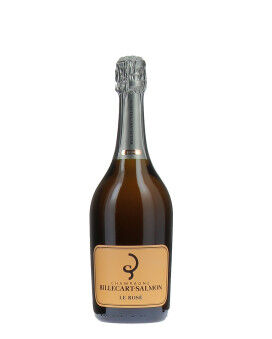
Billecart-Salmon Brut Rosé Billecart-Salmon Brut Rosé: one of the absolute benchmarks in rosé champagne. A blend of 40% Chardonnay, 30% Meunier and 30% Pinot Noir vinified in red. Beautiful pink-gold color, aromas of red and yellow berries, remarkable finesse and liveliness. An elegant champagne, recognized the world over.
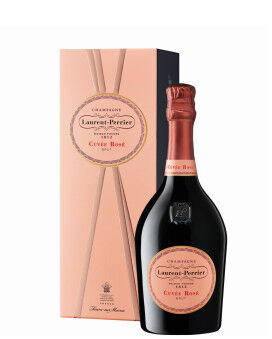
Laurent-Perrier Cuvée Rosé Laurent-Perrier Cuvée Rosé: with its emblematic bottle, this 100% Pinot Noir bleeding rosé from a dozen crus, aged for at least five years, is a must-have. Luscious, generous and powerful, it goes well with many dishes and occasions.
Ruinart Brut Rosé Ruinart Brut Rosé: Champagne's oldest house offers a beautifully delicate rosé, with notes of fresh red fruit and very fine bubbles. Dom Ruinart Rosé is one of the most sought-after prestige cuvées.
Veuve Clicquot Brut Rosé Veuve Clicquot Brut Rosé: a sure bet, recognized and appreciated for its generosity and fruitiness. A festive, affordable champagne, perfect for special occasions.
Moët & Chandon Rosé Impérial Moët & Chandon Rosé Impérial: the world's best-selling rosé champagne. Accessible, festive, with a lively, fruity bouquet. The ideal introduction to rosé champagne from the great houses.
Nicolas Feuillatte Brut Réserve Rosé: excellent value for money for a mass-market rosé champagne. Fresh, fruity, affordable, perfect for large parties.
Piper-Heidsieck Rosé Sauvage: an assertive rosé with character and pronounced red fruit aromas. Charles Heidsieck also offers fine rosés for lovers of a more complex style.
Gourmet and prestige cuvées
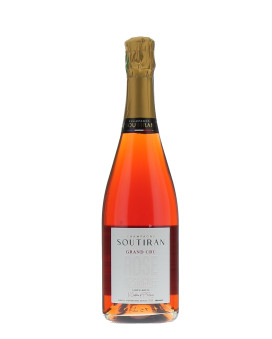
Soutiran Rosé de Saignée Grand Cru: produced in less than 10,000 bottles a year, this 100% Pinot Noir Grand Cru rosé de saignée is a rare nugget. Blackberry, blackcurrant, blood orange, cherry - an aromatic palette that explodes on the palate. Ideal for special occasions and lovers of structured, gourmet rosé.
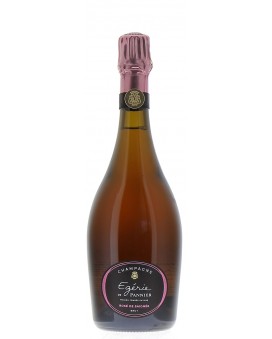
Pannier Egérie Rosé de Saignée: composed of 80% Pinot Noir and 20% Chardonnay, aged for at least six years in cellars, this prestige cuvée combines freshness and elegance with delicate aromas of strawberries and raspberries. Generous, racy and vinous.
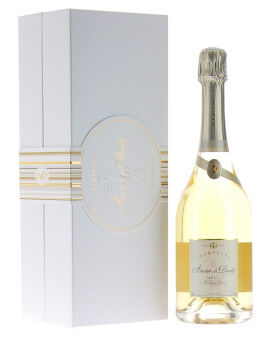
Deutz Amour de Deutz Rosé: made from Pinot Noir (57%) and Chardonnay (43%), this exceptional champagne is powerful, balanced and full of finesse. Pure Deutz style for your most prestigious aperitifs: lobster, red mullet, beef carpaccio...
Dom Pérignon Rosé The ultimate prestige cuvée for lovers of vintage rosé champagne. Outstanding aromatic complexity, prolonged ageing, unique copper highlights. The absolute benchmark for luxury rosé champagne.
Bollinger La Grande Année Rosé: a vintage rosé of great finesse, with Bollinger's signature oak vinification. For lovers of character and depth.
Winemakers to discover
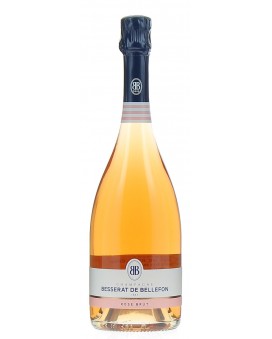
In addition to the major houses, many Champagne winemakers produce rosé champagnes of remarkable quality, often more confidential and offering excellent value for money. Besserat de Bellefon, Vranken and Pommery also offer accessible, well-crafted rosés. For a more specialized discovery, turn to independent winegrowers in the Montagne de Reims or Côte des Bar regions. Their rosés de saignée, sometimes produced organically, are often real nuggets.
Rosé champagne and food pairings
Rosé champagne is much more versatile than you might think. In brief:
- Aperitifs: fine charcuterie, verrines, petits fours, light brut rosé is perfect.
- Seafood and fish: opt for an extra-brut rosé or brut nature, with a low dosage, so as not to overpower the iodine.
- White meat and poultry: a brut rosé blend goes very well with this.
- Red meat: prefer a rosé de saignée, more powerful and structured
- Red fruit desserts: the classic, gourmet pairing par excellence
- Exotic and Mediterranean cuisine: the fruitiness of rosé goes very well with spicy and sweet-savory flavors.
When should you drink rosé champagne?
The real answer: whenever you like! But rosé champagne shines particularly brightly on Valentine's Day (its rosy color makes it the ideal gift), weddings (festive and photogenic), and summer evenings (its freshness and fruitiness are perfect outdoors) and end-of-year celebrations. It's also one of the most popular champagne gifts, especially in half-bottles or gift boxes.
Where to buy rosé champagne?
Envie de Champ offers over 1,200 champagne references, including a wide selection of rosés at all prices from €25 to over €100 for prestige vintages, with fast delivery, secure payment and regular champagne promotions. Don't hesitate to contact us if you'd like personalized advice on your purchase.
Now you have all the keys you need to choose your rosé champagne according to your desires, your budget and the occasion. Whether it's a blended rosé or a rosé de saignée, whether it's from a major house or an independent winemaker, there's bound to be a bottle waiting for you.
Alcohol abuse is dangerous for your health. Drink in moderation.