The Loriot family is a true musical family. How did it all begin?
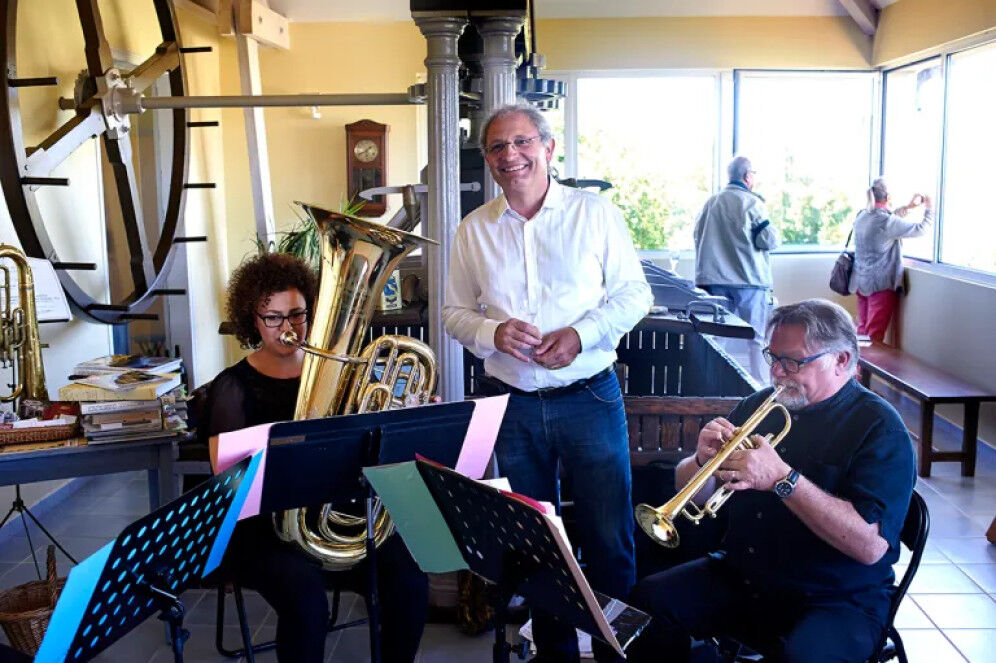
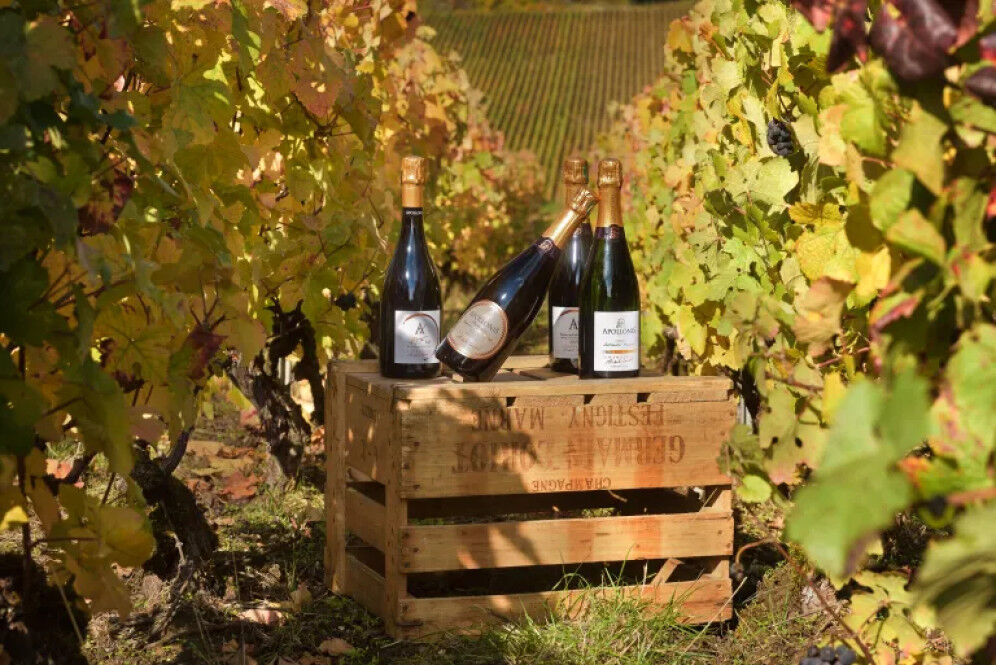
Léopold Loriot was a saxophonist in the Festigny brass band.With his wife Palmyre, they were the first to install a wine press in the village in 1903, and his son Germain became a music instructor and produced the first bottles of Champagne, since the family initially sold their entire production to the wine merchants.Germain would have liked to make a full-time career of it, but the family decided that he should stay on the farm.My husband Michel's father's generation even found that music was taking up too much space. The instruments were put in the cupboard, to devote themselves solely to production. Strictly speaking, Michel didn't learn music, but he did learn to listen to it, to feel it.There's a talent there, it's obvious.We started putting music in our cellars about ten years ago.
How did the adventure of broadcasting music on the estate begin?
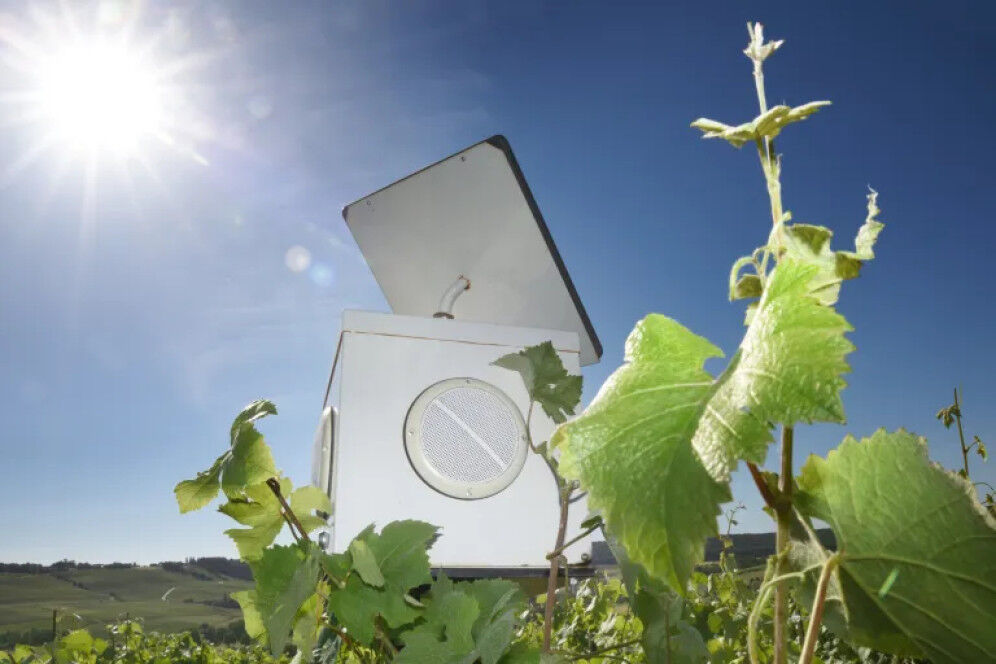
Over 10 years ago, Michel and I visited a vineyard in Switzerland where the wines were matured to the sound of classical music.It really struck a chord with us. We wondered whether the music might not be good for our champagnes, especially during bottle fermentation in the cellar.Little by little, we discovered a process called " proteody ".Based on the work of French physicist Joël Sternheimer. These studies show that the vibrations of classical music have an impact on the lees of the aging champagne bottle.According to his research, music can modify the rate of protein production in living organisms.
What does Protéodie mean?
It's a contraction of the words "protein" and "melody".
How does it work in the cellar?