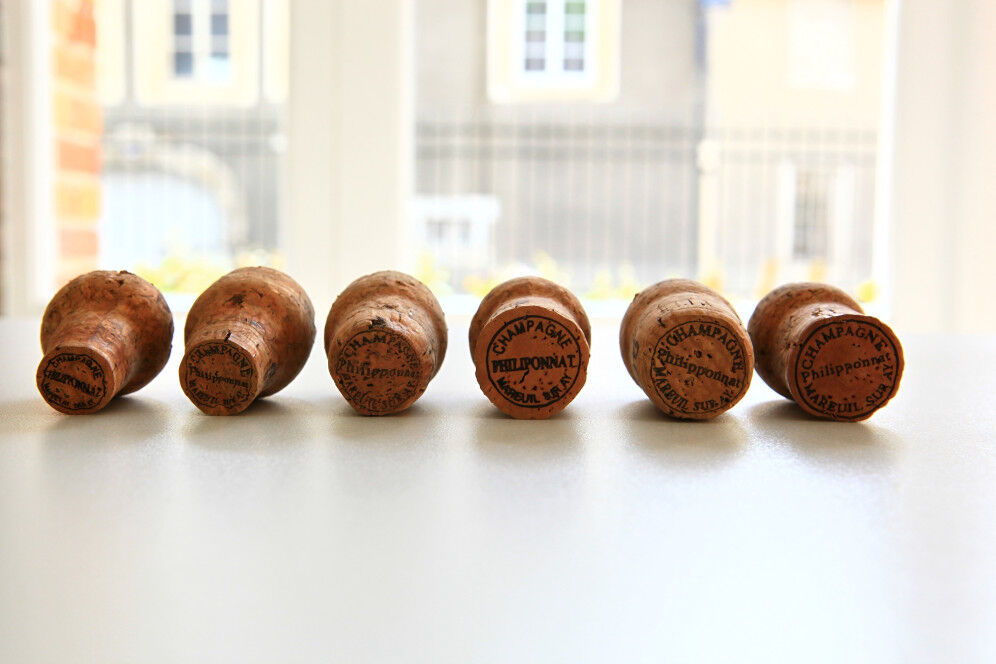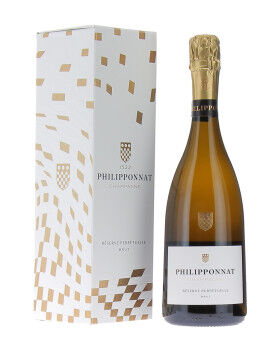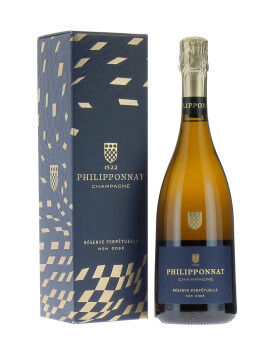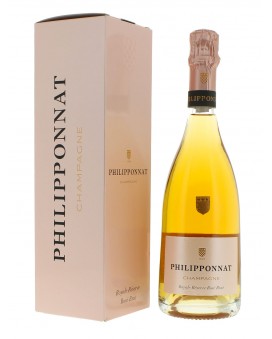



The Philipponnat family's business has undergone many changes over the centuries. Moving from viticulture to wine trading and eventually specializing in winemaking, many of the original vineyards have been sold over time. Fortunately, some of the original plots acquired in 1522 are still owned by the company.
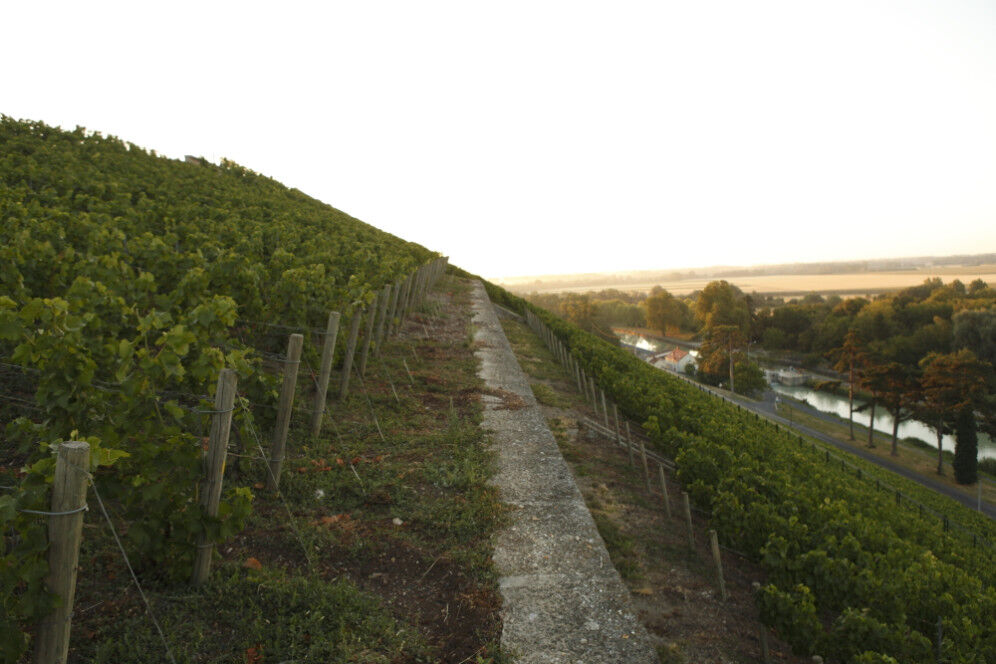
Proud of its noble Grand Cru and Premier Cru terroirs in the Grande Vallée de la Marne, on the southeastern slopes of the Montagne de Reims, the champagne house owns and operates 20 hectares of vines in the villages of Aÿ, Mareuil-sur-Aÿ and Avenay. Today, the champagne house is run by Charles Philipponnat, who preserves the terroirs and know-how handed down by his ancestors.
Much effort is devoted to preserving the centuries-old soils. With a deep respect for nature, the house applies natural methods to keep the fragile environment of its vineyards intact and thriving. These methods include hoeing by hand and ploughing with horses.
The power of finesse
Among the plethora of Champagne styles, Champagne Philipponnat stands out for a range of highly gastronomic champagnes, with powerful character and complex finesse. Most of their champagne blends are based on bold Pinot Noirs from expressive terroirs such as Aÿ, Mareuil-sur-Aÿ and Avenay.
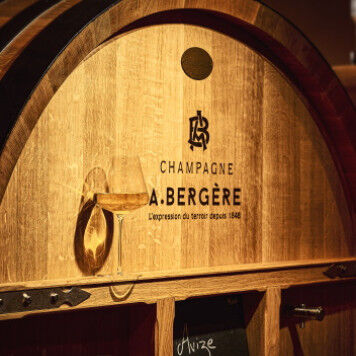
A key element of the house's winemaking techniques is the so-called solera process. In this process, a quarter to a third of the reserve wine from previous vintages is blended with the wine from the new vintage and stored in oak barrels for use in future champagne blends.
Adding these reserve wines in solera to cuvées creates beautifully balanced champagnes with depth and complexity, such as the Royale cuvées. As a testament to the past, when the Philipponnat family's ancestors sold their wines to the court of Louis XIV, the three cuvées Royale Réserve Perpétuelle, Royale Réserve Non Dosé, and Royale Réserve Rosé are based on Pinot Noir and contain 25 to 35% of these reserve wines. After three to four years' bottle ageing, the champagnes already display exceptional depth and finesse.
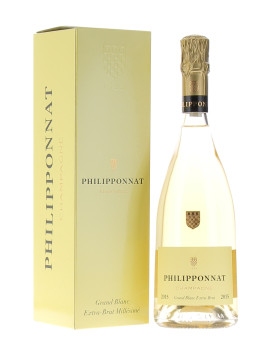
Solera wines are also used to produce a range of vintage cuvées such as Blanc de Noirs, Grand Blanc and Sublime Réserve Sec.