
Our selection of the best organic champagnes
To get straight to the point, here are the essential houses and cuvées we'll be detailing in this article:
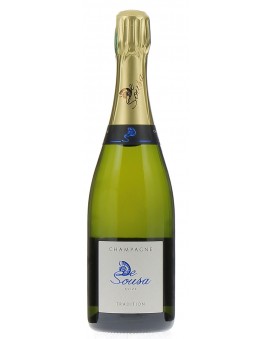
- De Sousa: the absolute benchmark for biodynamic Champagne, based in Avize on the Côte des Blancs.
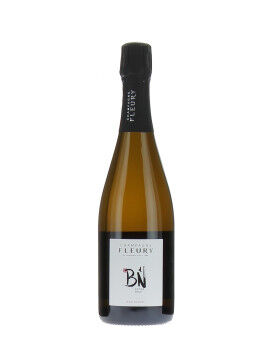
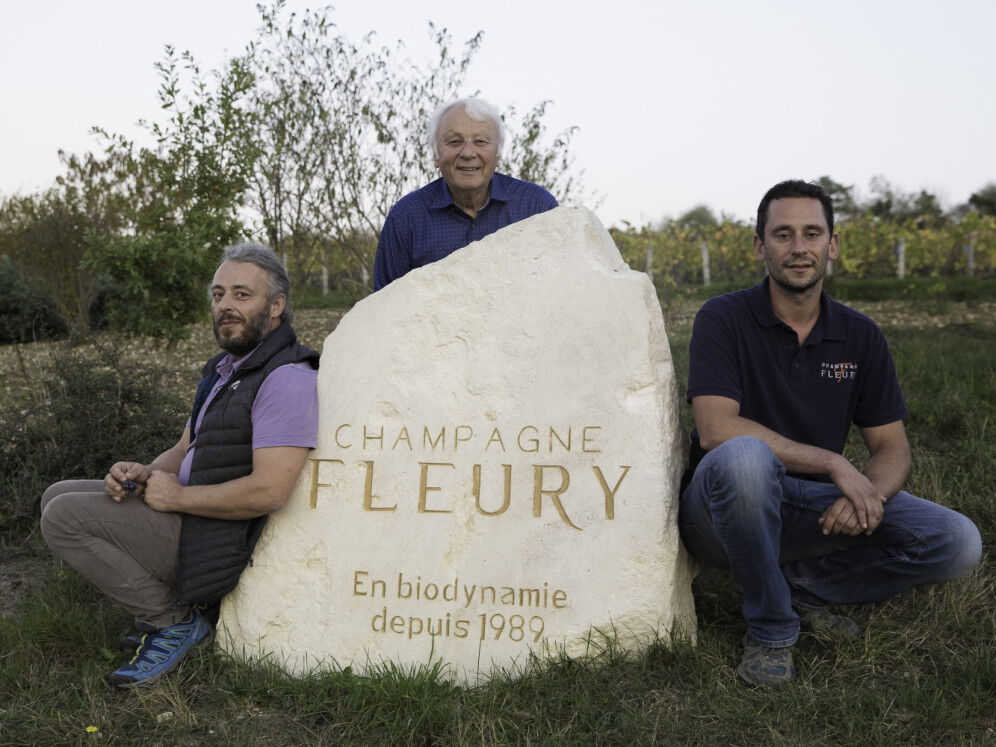
- Fleury: first house to convert to biodynamic viticulture in 1989, a pioneer and still exemplary today.
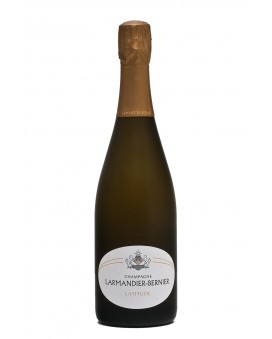
- Larmandier-Bernier: Chardonnay pure, zero dosage, sublimated Vertus terroir
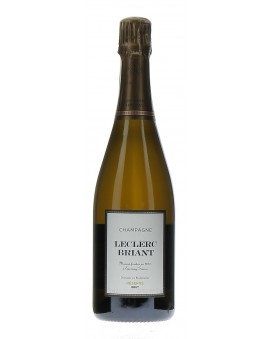
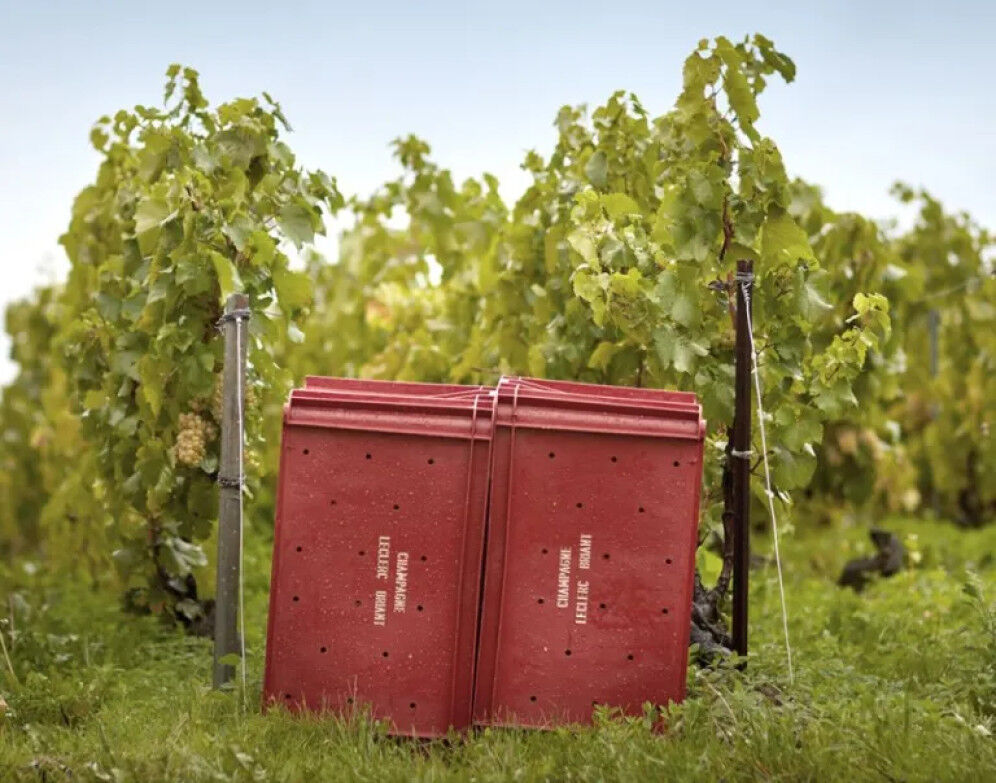
- Leclerc-Briant: Premier Cru, organic and biodynamic, cuvées with no added sulfur
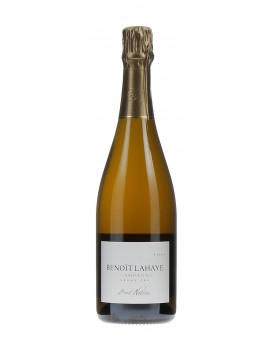
- Benoît Lahaye: Bouzy winemaker, grand cru biodynamic and sincere
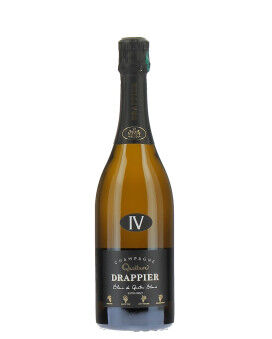
- Drappier: Blanc de Quatre Blancs, the only organic blanc de blancs champagne with four white grape varieties
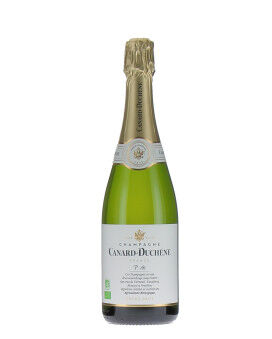
- Canard-Duchêne: cuvée P181, the first organic champagne from a major house
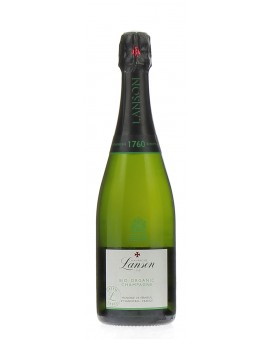
- Lanson: Green Bio Organic, mono-cru and single parcel
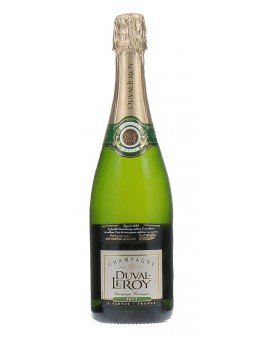
- Duval-Leroy: Brut Bio, classic and refined organic champagne
- Chassenay d'Arce: Cuvée Audace Extra-Brut, 100% organic Pinot Noir
What is organic champagne?
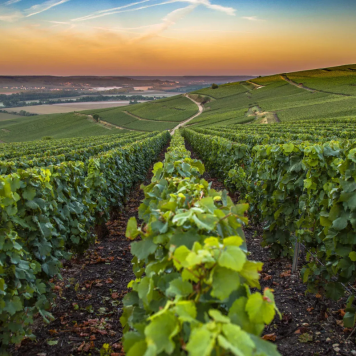
Organic Champagne is made from grapes grown according to the principles of organic agriculture: no synthetic chemical fertilizers, pesticides or herbicides. The soil is worked naturally to preserve its life and biodiversity.
Organic certification in Europe is governed by European regulations. A champagne can only bear the label "agriculture biologique" (organic farming) and the AB label if its grapes are certified organic by an accredited organization such as ECOCERT or Demeter.
There are several levels of commitment:
- Agriculture biologique (AB): no synthetic chemicals in the vineyard, certified organic grapes.
- Biodynamic (Demeter): holistic approach that goes further than organic - natural preparations, lunar calendar, soil cultivation in harmony with natural cycles.
- Natural wine: organic in the vineyard AND vinification with minimal intervention and little or no added sulfur.
A certified organic champagne guarantees respect for the vine and the environment. Biodynamic viticulture goes even further. Both can produce wines of the highest quality, with a beautiful expression of terroir.
Organic Champagne: where does the industry stand?
Progress is spectacular. In 2009, organic production accounted for barely 1% of Champagne vineyards. Today, the figure is approaching 10%. The number of producers committed to organic certification has tripled in four years: 650 by 2023, compared with 200 in 2018.
Since 1998, the Association des Champagnes Biologiques has brought together nearly 200 winegrower and winery members committed to this approach. Since 2019, the Chambers of Agriculture of the Champagne vineyards have joined forces with Bio en Grand Est to structure and accelerate the industry.
A number of major houses are also committed to biodiversity and sustainable viticulture: Louis Roederer and Ruinart are among the best-known international examples. It's important to remember, however, that producing organic champagne remains a challenge. The Champagne climate exposes the vines to major risks of phylloxera, powdery mildew and downy mildew, which organic producers have to manage without resorting to synthetic chemicals. This is precisely what makes these champagnes so remarkable: they require a level of know-how and respect for the soil and natural environment that few other wine-growing regions can match.
How is organic champagne vinified?
Organic champagne vinification follows the same process as the traditional Champagne method: harvesting, pressing, first fermentation, blending, foaming in bottle, ageing on laths, riddling, disgorging, dosage. The difference lies in the choices made by the winemaker at each stage. In organic, the process is guided by a fundamental principle: intervene as little as possible and respect the nature of the grapes and terroir. In concrete terms:
- No chemical fertilizers: the soil is fertilized by composting and plant cover.
- Natural treatments only: copper, sulfur and biodynamic preparations to protect the vines
- Natural winemaking: emphasis on indigenous yeasts, little or no fining or filtration
- Reduced or zero dosage: many organic producers opt for brut nature or extra-brut champagnes, with no added sugar, to let the terroir express itself fully.
- Limited sulfur: some producers, such as Leclerc-Briant and Benoît Lahaye, produce cuvées with minimal or no added sulfur.
The result: champagnes that are often more expressive, with fine bubbles and characteristic freshness. On the nose and palate, there's an aromatic sincerity that highly interventionist wines can't offer.
Our top 5 houses entirely dedicated to organic wines
De Sousa
Based in Avize, on the prestigious Côte des Blancs, the Maison De Sousa is a benchmark for organic and biodynamic champagne. Converted in 1999 and certified organic in 2010, it works its vines on horseback, with very low dosage and natural vinification. Her cuvées are pure expressions of Grand Cru Chardonnay, with remarkable minerality and freshness.

Fleury
La Fleury House was the first Champagne house to convert to biodynamic viticulture, back in 1989. Based in the Côte des Bar region, it offers cuvées of great finesse, a faithful reflection of a respected, living terroir. A pioneering producer whose approach has inspired a whole generation of Champagne winemakers.
Larmandier-Bernier
Located in Vertus, the Maison Larmandier-Bernier produces terroir champagnes with rigorous craftsmanship. Organic since the 2000s, its cuvées are often vinified in barrels and without dosage, highlighting the raw expression of Chardonnay. Pascal and Sophie Larmandier have become world leaders in organic champagne.

Leclerc-Briant
Founded in Cumières in 1872, Maison Leclerc-Briant has a 10-hectare Premier Cru estate, certified organic and biodynamic. It has been using parcel selections since the 1980s, and produces certain cuvées with no added sulfur and Vegan label. A house of bold technical and qualitative vision.
Benoît Lahaye
Independent winemaker in Bouzy, a Montagne de Reims grand cru, Benoît Lahaye has been cultivating his vines organically and biodynamically for over 15 years. His champagnes are sincere, powerful and expressive, with great respect for the living world. His cuvée Violaine, with no added sulfur, is a fine reference to discover.
Our top 5 organic cuvées from leading houses
Would you like to discover organic champagne without leaving your favorite champagne houses? Good news: a number of well-known houses offer organic cuvées.
- Canard-Duchêne, Cuvée P181: the first ECOCERT-certified organic champagne from a major house. A blend of Chardonnay (43%), Pinot Meunier (33%) and Pinot Noir (24%), perfect as an aperitif or with scallops.
- Drappier Blanc de Quatre Blancs Quattuor: the only organic blanc de blancs champagne made from four white grape varieties - Arbane, Petit Meslier, Pinot Blanc and Chardonnay. A rare extra-brut, with notes of citrus fruit, honeyed apple and green tea. Ranked among the top 10 organic wines by "The Drinks Business".
- Chassenay d'Arce Cuvée Audace Extra-Brut: 100% Pinot Noir, vintage, fresh and complex. A fine match for white meats and noble fish.
- Duval-Leroy Brut Bio: a well-crafted classic, embodying the house's savoir-faire in a refined, accessible organic version.
- Lanson Green Bio Organic: a unique, single-cru, single-parcel cuvée, to discover the full essence of a terroir and a grape variety. A great gateway to organic champagne for fans of the brand.
Where can I buy organic champagne online?
Would you like to buy organic champagne easily? Envie de Champ offers a complete selection of organic champagnes, with fast delivery, secure payment and over 1,200 references available. Don't hesitate to contact us to refine your selection according to your preferences and budget.
Much more than just a trend, organic champagne has a bright future ahead of it. These environmentally-friendly champagne wines are also proud representatives of the champagne appellation, and often among the most expressive and sincere you'll ever taste.
Alcohol abuse is dangerous for your health. Drink in moderation.