The labels
A biodynamic winemaker is first and foremost a winemaker who has obtained Organic Agriculture certification. Two bodies issue the biodynamic label: DEMETER and SIVCBD, the Syndicat International des Vignerons en Culture BioDynamique, manager of the Biodyvin brand created in 1995. The difference between the two? "For example, a winegrower who also grows lavender or cereals must convert all his crops to the specifications that apply to all types of agricultural crops. In contrast, Biodyvin is dedicated solely to vines and wine." It should be noted that one of the conditions for obtaining these certifications is already organic farming. However, some winegrowers, although not certified, work in a biodynamic approach. To obtain the Grail, scrupulous compliance with a set of specifications is essential, as is training in biodynamic agriculture.
Conservation agriculture
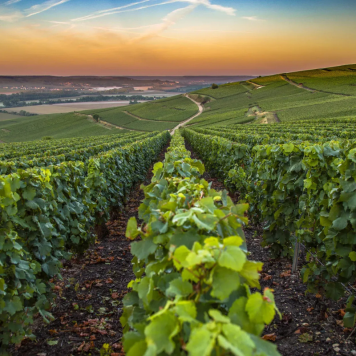
Choosing this type of production means above all preserving the land and ensuring that the grapes are the perfect expression of the place and the year, with all their qualities and potential, to produce a great Champagne wine.
It was Maria Thun, a German biodynamic farmer and researcher in the 60's, who for over 50 years carried out numerous experiments to understand how to work her garden based on the indications of the scientist and founder of biodynamic agriculture, Rudolf Steiner. She discovered the concept of favourable periods for growing vegetables, roots, flowers and fruit.
In practice, biodynamic agriculture differs from organic farming in that it uses homeopathic doses of preparations made from natural products and assembled using complex methods. The most common of these, "500 horn dung", requires two materials: cow dung and horn.Cow dung is an extremely elaborate substance produced by the cow's digestive tract, which transforms plant foodstuffs into a substance that fertilizes the earth. The horn's role is to attract and retain energy.The horn is therefore filled with dung, planted from autumn until the spring solstice, so that it can absorb the surrounding forces. Once recovered, it is sprayed onto the vines, giving them greater length and strength.Other recipes are applicable to biodynamic viticulture: silica powder, oak bark, herbal teas, plant decoctions (nettles, valerian, horsetail, etc.) and essential oils of sweet orange, oregano, grapefruit and clove are increasingly used to combat diseases such as mildew.
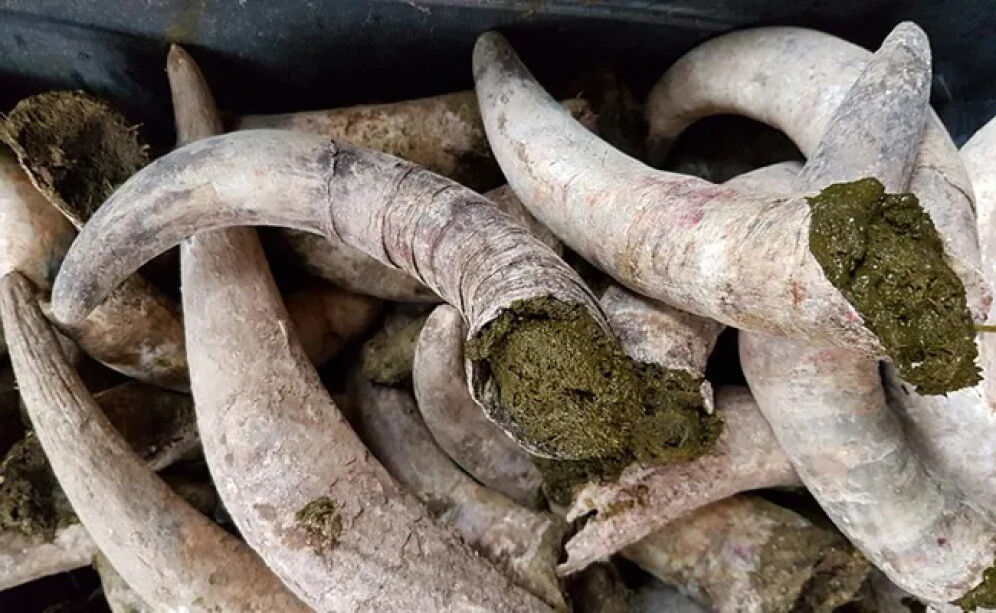
Although the basis is the same as in Organic Agriculture, this method of production remains little-known and largely controversial in the wine world. Biodynamic viticulture places additional demands on both grape production and winemaking. In Champagne's semi-continental climate, grapes are often threatened by fungus. Switching to organic farming can lead to a dizzying drop in profits in the event of a difficult vintage. And the work requires up to twice as many employees in the vineyards. With 0.86% of Champagne's vineyards under biodynamic agriculture, this represents a cost that not all winegrowers can afford.
Studies have shown that biodynamic farming improves the biological properties of soils and increases root growth in vines. The better quality soils not only encourage plant growth, but also prevent water and air pollution. Grass is everywhere at the foot of the vines, when it's absent from the neighbor's. Soil insects and earthworms are also greatly favored.
Biodynamic champagne houses
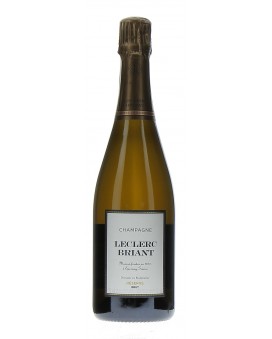
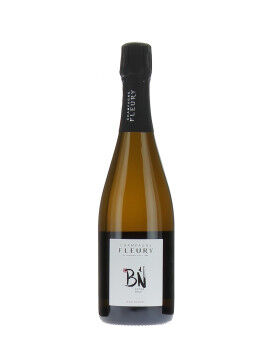
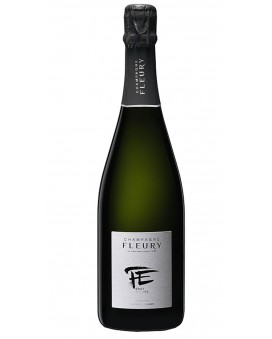
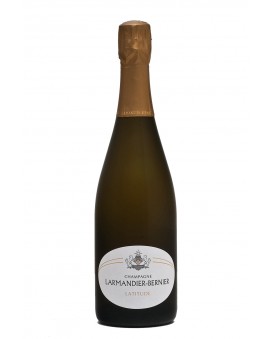
Champagne Leclerc Briant converted to biodynamic viticulture several years ago. Louis Roederer has been committed to biodynamic viticulture since 2000, and has had 12 hectares certified Demeter since 2004. Although not certified and therefore not displaying a logo, the famous Cuvée Cristal confirms its organic and biodynamic ambitions. Maison Larmandier-Bernier operates an 18-hectare estate in Vertus. Produced since 1999, their great champagnes are made from biodynamically-grown grapes, vinified under wood and without the addition of yeast. An advocate of biodynamic viticulture, the Fleury family produces delicious champagnes predominantly from Pinot Noir grapes.
This natural farming practice produces champagnes that are fresher and more mineral, with greater aromatic complexity and, above all, the purest expression of terroir - the truth of taste!