Is it unusual to join a Champagne House as a trainee and then progress to the position of oenologist?
This was also the case for Elisabeth Sarcelet, who arrived as an intern in 1984. It's a House where you stay and where you feel good. We're surrounded by great teams. On the whole, people stay.
Castelnau is present in 150 crus all over Champagne, a very interesting patchwork of Champagne terroir. How do you manage this at harvest time?
We call it "ventilation": the wines are dispatched by grape variety and by crus.It's like a rubik's c ube at harvest time, so we use our mathematical minds more.We also bring together a number of regions, such as Belval, Montgueux with a very good supply of Chardonnay, or Riceys for Pinot Noir.And indeed, during the harvest, we have between 60 and 70 different elements to dispatch in the vats.At Castelnau, we have a team that does a considerable amount of work, which I can also rely on.
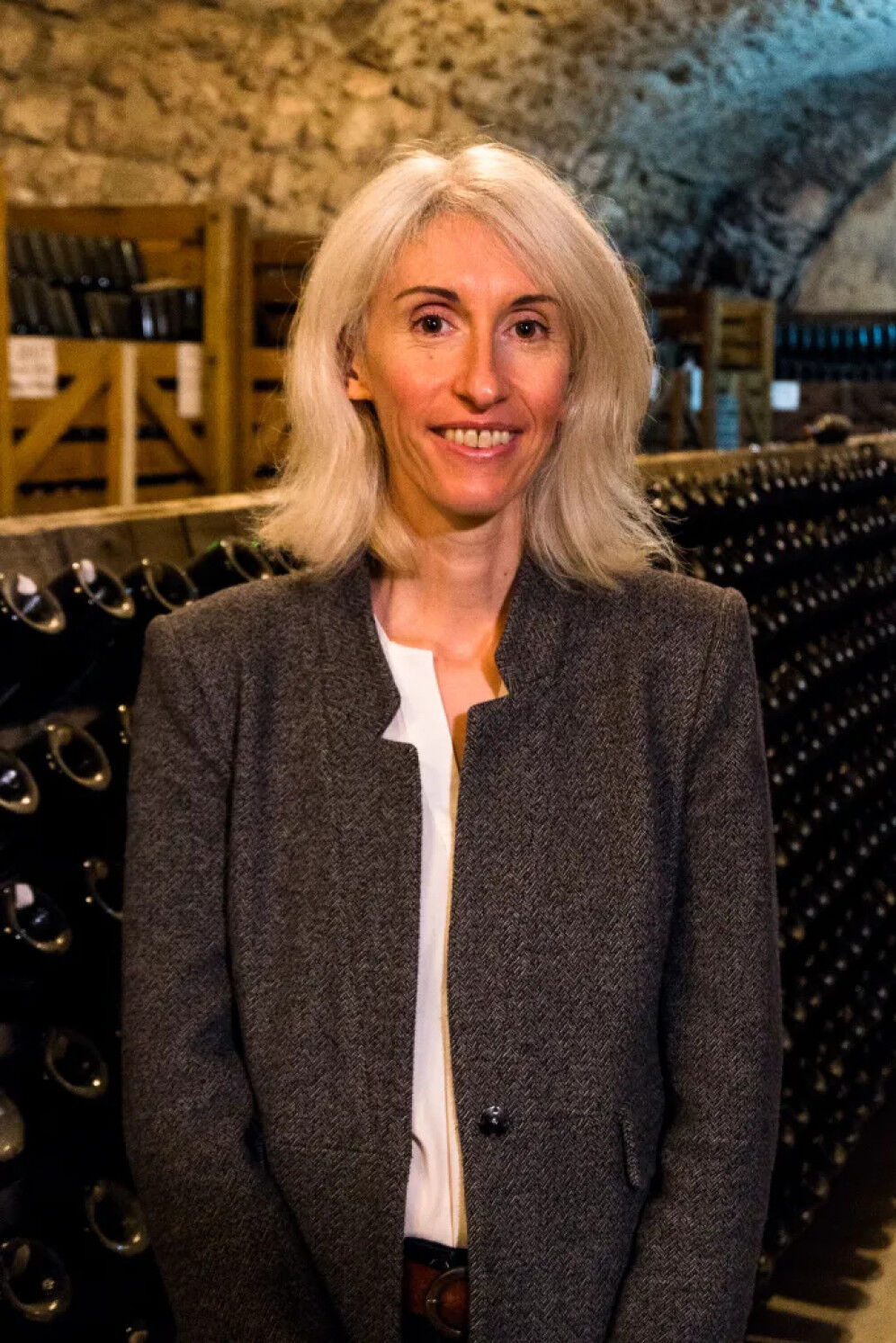
Vou take over from Elisabeth Sarcelet, the House's Cellar Manager for 37 years. Is it unusual in Champagne for the position of Cellar Manager to be handed down from one woman to another?
It is, in fact, quite unprecedented, but in reality, it's very natural. It's not at all a question of parity or feminism - I've been here for a while, I know the philosophy behind the wines in the cellar - it's above all a question of competence.
What exactly is the philosophy behind Castelnau champagnes?
Above all, it's about long ageing.Right from the vinification stage, we work to ensure that our wines age as long as possible on their lees.We have a reserve wine policy, which we try to dislodge as little as possible.In fact, we don't really have a winery for reserve wines.We want to keep them as young as possible for as long as possible. It's a real work on time, and mastering long aging.At Castelnau, we make wines that are generous and deep, with tertiary aromas of toast and hazelnut, which delighted my palate when I first arrived.The idea is to continue this DNA.
Will you be putting your own "spin" on future cuvées?
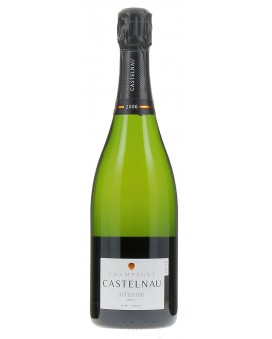
I'm sticking to the original spirit of the House, because it's exciting to try and work with the times.For example, our Brut Réserve stays on its lees for 6 years before being marketed.At the moment, we're selling the 2006 vintage.I find that very exciting.There's a lot of leverage, and we're exploring it as best we can.There's a lot of research going on in Champagne on this subject.We have a one-year partnership with the Effervescence team at the University of Reims to work on time and long aging on lees.
And more specifically, what developments are possible?
We're going to work on the sealing of capsules, the shape of the bottle, the size of the neck...All these elements influence the wine's aging process.
Can you tell us about the different ranges of Castelnau champagnes?
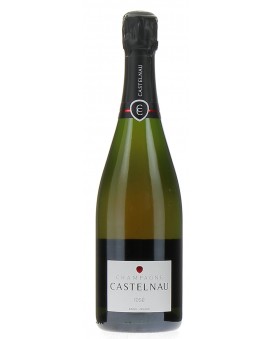
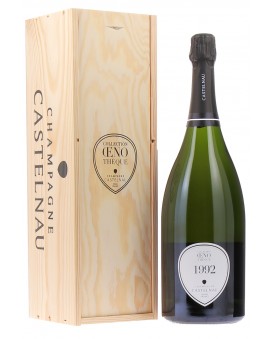
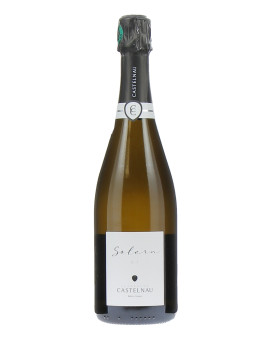
We have our vintage Blanc de Blanc, the 2006 which is currently still on sale, our " Hors catégorie ", a cuvée with a subtle woody, toasty touch, with hints of leather, lemony and slightly creamy on the palate. We've also designed a very voluptuous and delicate Rosé, an Extra-brut that combines the chiselled character of Chardonnays and the roundness of Meuniers, a Brut Réserve and a fruitier Brut that has "only" 3 years of ageing.In recent years, we've also been working on a Cuvée Soléra, which starts with a 2009 wine, but won't be presented to the public just yet.
Are you working on a "signature" cuvée?
Not really, because at Castelnau we have a tasting panel. The cellar master has the final say, but we have a team of oenologists to carry out the blending.During the COVID, we realized that this was an essential tool for a House to guarantee the quality of its wines.The real secret, I think, is knowing how to surround yourself with competent people well trained in "home-made taste". When it came to blending, we did a lot of trials and regular tastings.This cuvée is the fruit of the work of a complete team.
Are you planning to release an organic cuvée in 2021?
Yes, that's very close to my heart.I'm delighted with this cuvée, because it's a way of growing vines that I think is becoming increasingly essential. In Champagne, it's still delicate and complicated, but the organic winegrower is close to his vines, in constant contact with the plant and very attentive to his grapes.As a result, we often get very precise results.This organic cuvée is already in bottle.It's a blend of three grape varieties, offering a fine representation of the Champagne terroir.It will be a little younger and more dashing, with 15 months' ageing, and it will be fruitier, different from the rest of the range we offer at Castelnau.Our organic cuvée is due for release in autumn 2021, early 2022 at the latest.