

What is a reserve wine in Champagne?
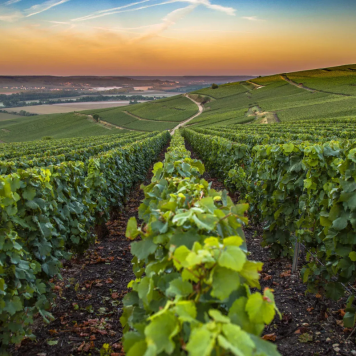
In Champagne, each year, a portion of the harvest with good ageing potential is kept by the winegrowers or houses. These are known as vins de réserve. In concrete terms, these are still wines, i.e. wines without bubbles, made from the best parcels of Chardonnay and Pinot Noir or Pinot Meunier which are set aside after vinification rather than used immediately in the year's blend. This system of conservation is absolutely unique to the Champagne region within the French wine industry. It began in 1938, and meets precise requirements defined by the Champagne appellation specifications: each winegrower can store up to 8,000 kg of grapes per hectare in reserve wines. A limited quantity, but enough to build up a real aromatic heritage over time. These reserve wines are not simply "stocks". They are wines in their own right, often from Grands Crus or Premier Crus, which evolve and mature over time. Some houses keep reserve wines from vintages that are ten, twenty or even thirty years old. A considerable aromatic richness, found nowhere else in the wine world.
How are reserve wines made?
Once the harvest has been completed and the vinification carried out, the wines destined for reserve storage are carefully selected by the cellar master. Grape quality, ageing potential, grape variety, parcel of origin: every parameter counts. The year's best still wines go into reserve stocks
Storage of reserve wines
They are stored in different containers, depending on the style required: Stainless steel tanks preserve the freshness, purity and primary aromas of the grape variety. This is the choice of most wineries to guarantee neutrality and consistency over time. Oak barrels: these bring out notes of ripeness, roundness and light, controlled oxidation. Some houses use old barrels for a very discreet woody influence. Foudres: large wooden containers that allow slow, homogeneous micro-oxidation, ideal for wines destined for long ageing. In fact, it's important to point out that some houses practice what's known as perpetual reserve: a system in which wines from different vintages are continuously blended in the same container, creating a sort of living memory of the house. The result is a wine of remarkable complexity and consistency, the culmination of decades of Champagne expertise.
What role do reserve wines play in the blending process?
Reserve wines have three main uses, each of which contributes to the final quality of your bottle.
First: climatic safety.
The Champagne region is one of the most northerly in France. Climatic incidents are frequent here: spring frosts, hail, rainy summers... In the event of a crop failure or insufficient quality, the winemaker can rely on his reserves to complete or improve his blend. This is what the people of Champagne call the "doctor's wine", the one that corrects or enriches a difficult year.
Second role: blending Brut Sans Année.
This is the best-known and most important use in terms of volume. BSA - Brut Sans Année, or non-vintage sparkling champagne - is made each year by blending wine from the last harvest with a variable proportion of reserve wines from previous years. These wines provide more developed, more structured aromas, roundness and complexity than the wine of the year alone could offer. Above all, they guarantee the consistency of a house's style from one year to the next - the aromatic signature you recognize in every bottle.
Third role: dosage.
At the moment of disgorging, the stage when the deposit accumulated in the neck is expelled, a small space is created in the bottle. The liqueur d'expédition, which determines the final dosage, contains a proportion of reserve wines of the same nature as the champagne. This ensures perfect aromatic coherence between the liqueur and the wine.
Constancy or complexity: two visions of reserve wine
This is where philosophies diverge, and it's what makes the world of champagne so fascinating.
- The vision of constancy: the great Champagne houses use their reserve wines to produce an identical BSA every year. The Taittinger Brut Réserve is a perfect example: a recognizable cuvée, with its notes of white fruit, its fine bubbles and its elegance, produced on a regular basis despite climatic variations from one year to the next. This is the consumer's promise: open a bottle in 2024 or 2026, and you'll find the same champagne.
- The vision of complexity: other houses and winemakers use their reserve wines not to erase the differences between vintages, but on the contrary to magnify them and create unique cuvées with assertive personalities. La Maison Jacquesson is the most emblematic example of this in France and worldwide: its numbered cuvées beginning with 7 are each a different blend, reflecting a particular year enriched by carefully selected reserve wines. Each numbered cuvée is thus a unique edition, never reproduced. It's a radically different approach that will appeal to connoisseurs in search of discovery and emotion.
Between the two, a multitude of intermediary styles: harvesters-manipulants who blend two or three vintages to create a reserve cuvée in their own image, cooperatives who pool their reserves to offer remarkable value for money, medium-sized houses who refine their style over the years thanks to a patiently built-up reserve stock.
How do you choose a good champagne made with reserve wines?
Here are a few pointers to guide you in your champagne selection...
Look at the proportion of reserve wines indicated on the back label.
Some houses specify it. A high proportion (30, 40, sometimes 50%) is often a sign of a more complex champagne, offering better value for money over time.
The BSAs of the great houses are a safe bet
To discover what a good reserve stock can offer: Taittinger Brut Réserve, recognizable by its elegance and regularity, is a very fine and accessible example.
Numbered or special cuvées
Houses like Jacquesson are ideal if you're looking for a unique tasting experience, with each cuvée different from the last.
Grande Réserve" champagnes
Some houses and winemakers generally specify a blend with a large, carefully selected proportion of reserve wines, a guarantee of complexity and aromatic maturity.
Envie de Champ's advice
Don't hesitate to compare a young champagne from a single vintage with a BSA made with a high proportion of reserve wines. You'll immediately notice the difference: more depth, more roundness, a longer finish. That's the art of Champagne blending.
Now you have all the keys you need to understand what reserve wines are and why they play such a decisive role in the quality of your champagne. The most important thing to remember is that, depending on the cellar master's vision, they guarantee either the consistency of a house style, or the complexity of a single cuvée. I'm counting on you to be curious. Alcohol abuse is dangerous for your health. Drink in moderation.