
The difference between organic and traditional champagne
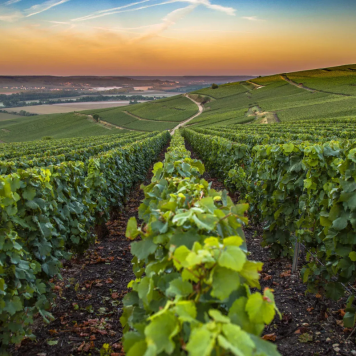
When we speak of organic champagne, we often mean biodynamic. What's the difference between these two terms? First, let's talk about organic wine. Organic wines are regulated in their use of products such as herbicides and pesticides. When it comes to obtaining the "organic wine" label, neither is authorized. European specifications determine the restrictions and alternatives available to winegrowers who opt for organic farming and wish to obtain official AB certification. Choosing to become organic means turning to a viticulture that must preserve the biological balance of the earth and plants as far as possible, using products of natural origin.
Biodynamics goes even further than the AB label. Biodynamics is a specific method of cultivation that takes into account various biological aspects of winegrowing, such as the magnetic influence of the moon, the earth and the sun on vine growth and soil treatment. Biodynamic viticulture also takes into account minerals and plants, so as to work on the vines in the most natural way possible and achieve a soil that breathes. Biodynamic wines are therefore even closer to nature. The specifications and timetable are quite strict, and the aim is to give nature back its hand.
A traditional champagne will therefore be produced using so-called "classic" agriculture, without necessarily taking into account the parameters detailed above, and will therefore come from vines and soils that have been chemically treated to a greater or lesser extent, depending on the House's wishes.
However, it's not a question of saying that this or that champagne is better because it's organic or not. As we've just explained, it's a different method of cultivation, always respectful of nature and meeting a list of standards to be followed.
The proportion of organic production in champagne
Organic champagne production is still residual in overall champagne production, accounting for less than 1% in 2018. Gradually, however, we are realizing that the range of organic champagnes is growing to offer a real alternative in terms of production and consumption. We invite you to reread this article in a few years' time to see how the above percentage develops.
Organic champagne houses
In recent years, the craze for more environmentally-friendly consumption has had a definite impact on the world of champagne, and for some pioneering champagne houses, it's a whole philosophy.
Here are just a few of the houses that produce organic champagne:
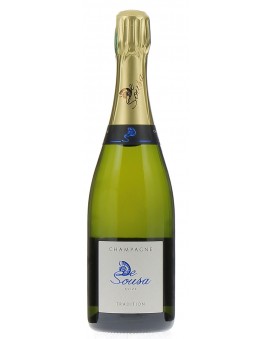
- De Sousa: This house has been certified organic since 2010, and offers some fifteen organic champagnes of different types and containers. A gentle introduction to organic champagne with an exceptional wealth of aromas.
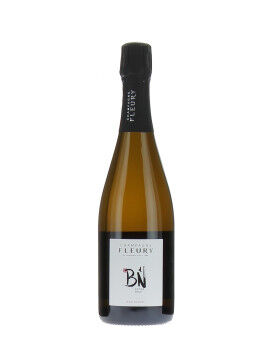
- Fleury: Maison Fleury has been practicing biodynamics for 30 years. With its extensive experience, it is cited as an example in this field. These champagnes are of rare precision.
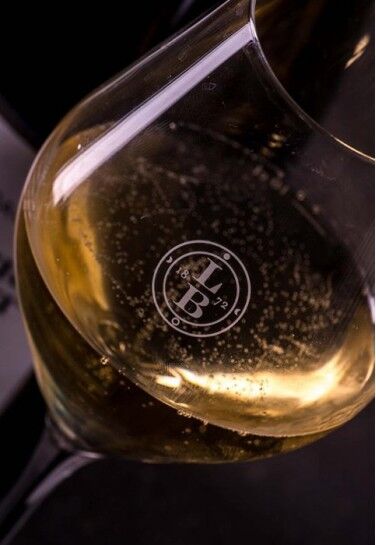
- Leclerc Briant: the vineyard is cultivated biodynamically, and the House offers champagnes of a singularity.
A number of major champagne houses, which are not organic but are gradually moving towards more sustainable farming, have decided to offer one of their cuvées specifically in organic form, such as :
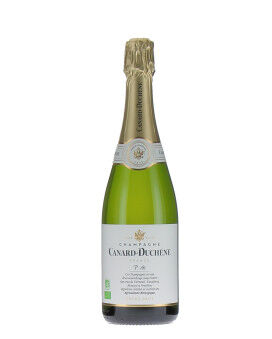
- Maison Canard Duchêne and its AB-certified cuvée Parcelle 181. With its authentic, intense champagnes, this house decided to commit to sustainable development in 2004.
- Maison Besserat de Bellefon and its "Triple B" cuvée, a Brut Nature champagne of great finesse.
The number of organic champagnes on offer continues to grow, and the trend is sure to continue.