
The Holy Trinity of Champagne: Pinot Noir, Chardonnay and Meunier
It's no surprise that the names Pinot Noir, Chardonnay and Meunier - informally known as the Holy Trinity of Champagne - have achieved such fame. Now covering more than 99.6% of Champagne's vineyard surface, they never cease to tickle our palates with their unique character, aromatic nuances and distinct, constantly evolving expressions, influenced by specific terroirs, vintages, winemaking choices and other factors.
In addition to the multitude of styles and tastes to be found in these three grape varieties, however, there's another micro-universe hidden within the AOC Champagne appellation: four well-kept secrets waiting to be discovered by champagne lovers in search of confidential cuvées and effervescent diversity off the beaten track.
Champagne's four best-kept secrets: Arbane, Petit Meslier, Pinot Blanc and Pinot Gris
Representing no more than 0.3% of the total vineyard area, the four rare grape varieties Arbane, Petit Meslier, Pinot Gris and Pinot Blanc are often swept under the carpet, or rather under the pits of Champagne, despite the fact that the appellation law has listed seven official grape varieties that can be used for Champagne production since 1927, and not just three as many assume.
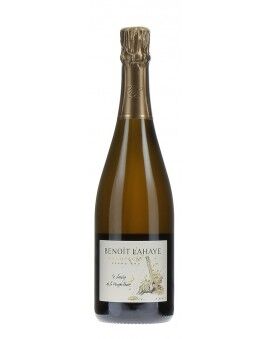
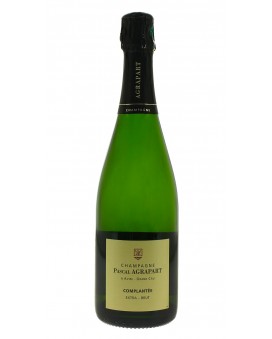
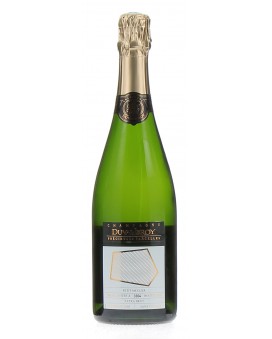
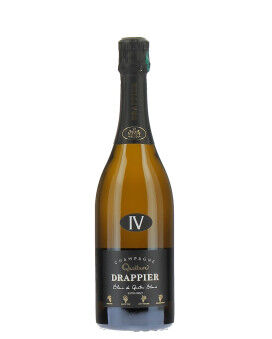
Looking back over the region's long history, these four grapes were gradually replaced by other, more productive varieties over the space of a century, but in recent years a few winemakers and champagne houses have rediscovered their interest in rejuvenating the almost forgotten taste of these four fabulous varietals.
Some of these producers are fortunate enough to have old vines dating back almost a century; others have introduced Arbane, Petit Meslier, Pinot Blanc or Pinot Gris to their vineyards.

Champagne's forgotten grape varieties
In the last century, these four grape varieties didn't produce the same styles of champagne we know and love today. In Champagne's most northerly climate, these early varieties suffered from heavy spring frosts during budburst, unfavorable weather conditions during flowering that caused millerandage - the development of small green berries unable to ripen - as well as cloudy, rainy summer months leading to poor fruit set, known as coulure, or rot.
Because of this, and the high susceptibility of these grapes to disease, growers were often left with unevenly ripened harvests and low yields at harvest time. This is the main reason why these four grape varieties were generally used in blends rather than single-varietal champagnes.
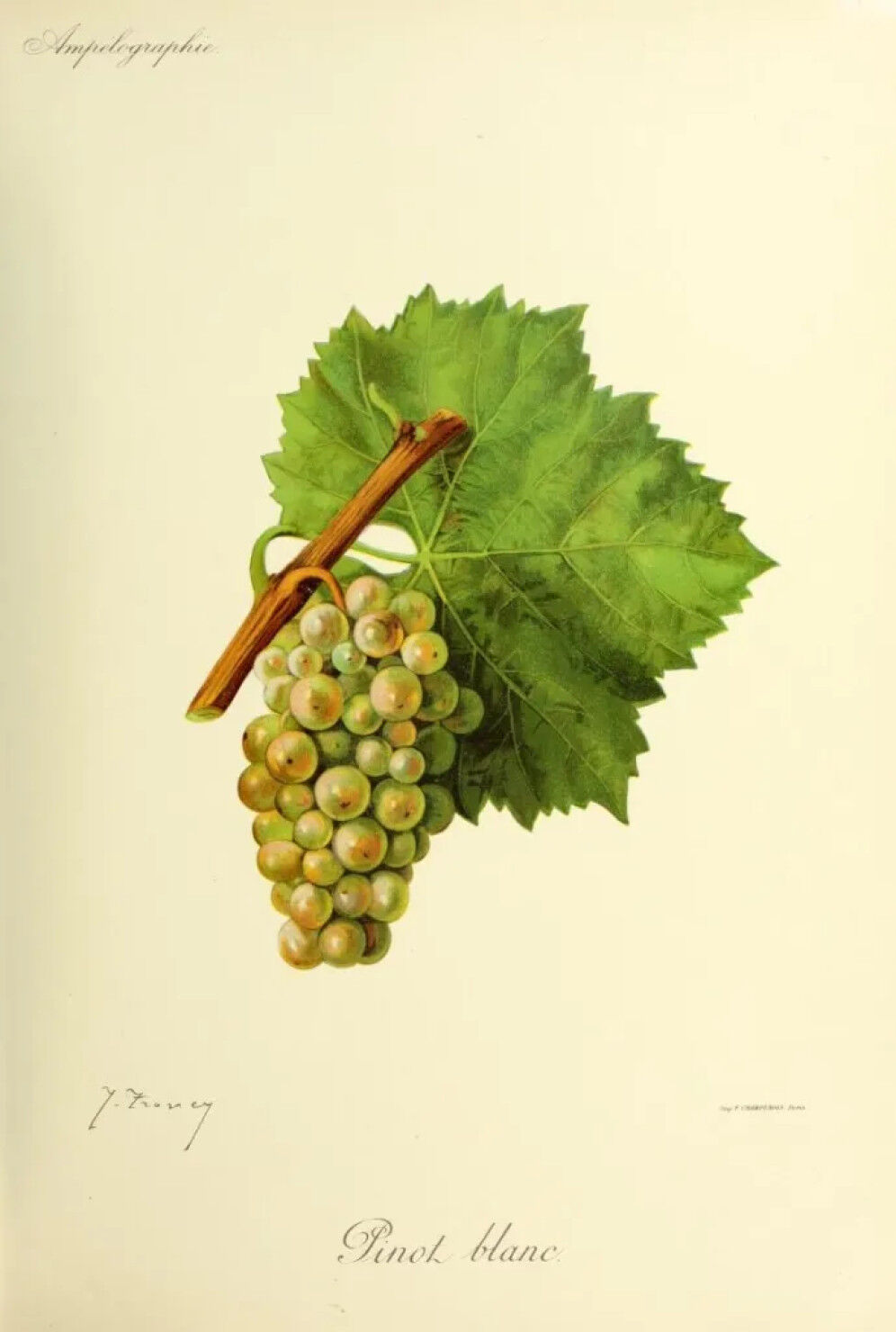
Arbane, Petit Meslier, Pinot Blanc and Pinot Gris in blends
Arbane and Petit Meslier, for example - two grape varieties with high acidity and rather dominant aromas - bring vivacity and freshness to overripe and somewhat heavy wines in hot vintages, and create aromatic depth thanks to their spicy and herbaceous aromas if used in small doses that won't dominate the blend.
Pinot Gris, meanwhile, brings volume, body and generous complexity to less expressive vintages, while Pinot Blanc brings delicate, charming fruit and a gentle freshness that make champagnes more accessible in their youth.
Despite all the possibilities offered by Arbane, Petit Meslier, Pinot Gris and Pinot Blanc in the blending process, they proved difficult to handle throughout the growing season and eventually disappeared from the vineyards over time, with growers replacing them plot by plot with Pinot Noir, Chardonnay or Meunier to secure their yields and, ultimately, their income.