"Le Noble Champagne, Champagne Lenoble

Publié par Julia Bouchet - 23/03/2021 - Champagne Houses and Winegrowers

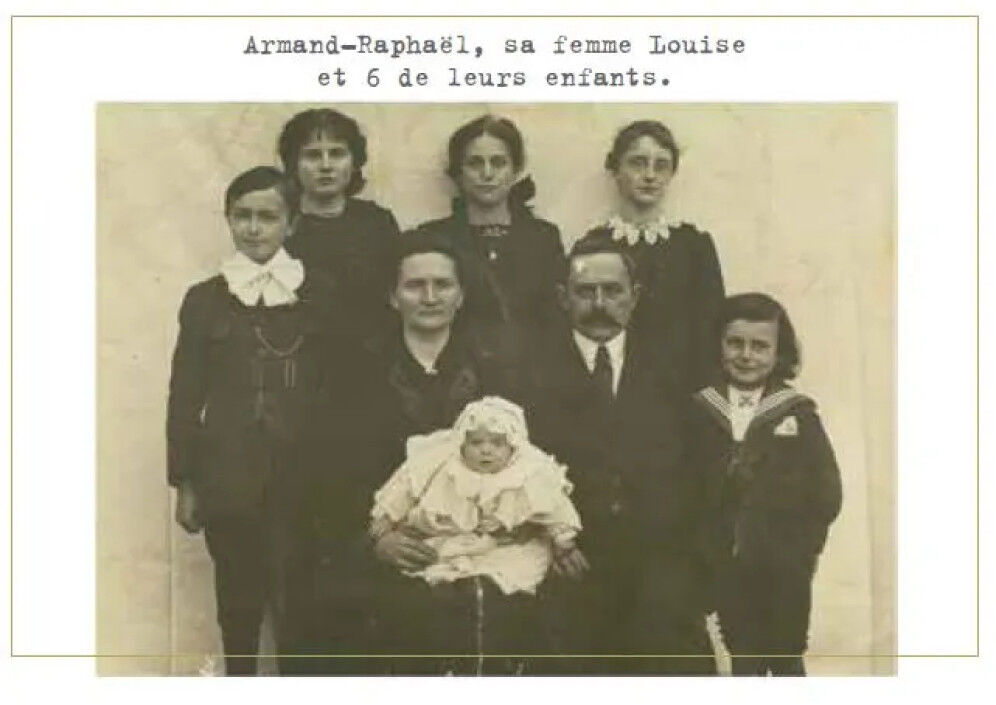
Maison AR Lenoble was founded in 1920 by Armand-Raphaël Graser.His father, Joseph, had fled the Germans and left Alsace, his native region, to walk to Epernay in Champagne, where his wife Alice was originally from. Armand-Raphaël, who decided to start selling champagne after the First World War, felt that a German-sounding name would not go down well, so he decided to create the Lenoble brand as a tribute to the nobility of champagne wines, while retaining his first-name initials AR for Armand-Raphaël.100 years and 4 generations later, the estate is still independent and in the family, run by Antoine and Anne Malassagne, Armand-Raphaël's great-grandchildren.

Anne, how did the AR Lenoble champagne house get started under the aegis of Armand-Raphaël?
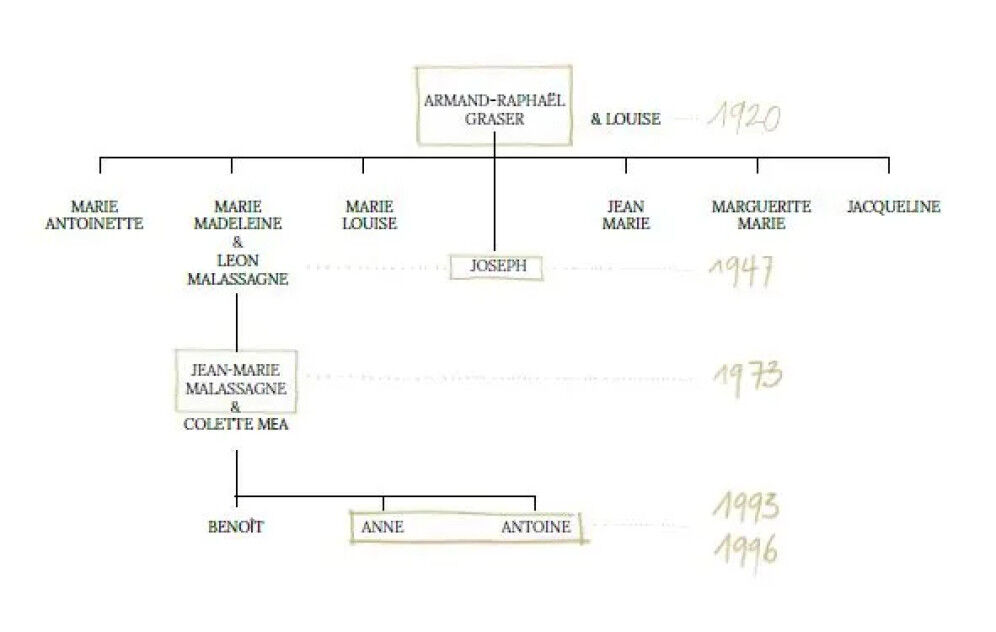
Armand-Raphaël ran the estate from 1920 until 1947.A shrewd entrepreneur and marketing man before his time, he underlined each champagne label with a slogan that sounded like an advertisement:" Le Noble Champagne, Champagne Lenoble ".During the 1947 harvest, he wanted to check the contents of a vat.He climbed a ladder, slipped and killed himself.He had 5 daughters and 2 sons.At the time, the boys were predestined to take over the estate.One of them was dedicated to the life of a priest, so it was Joseph, his second son, who took over the estate in 1947.

Capture

How did things work out with Joseph?
On paper, he seemed pretty ready, having studied at HEC, but in reality Joseph liked to party!He'll have a rather mundane life.He'll confuse sales with results and spend a lot of money.Joseph did much to raise the estate's profile, but in the end the coffers were rather empty.When he retired in 1976, the house was riddled with debt.The direct descendants of Joseph were not in a position to take over the estate.For a few months, the estate was in perdition.My father Jean-Marie, who was a grandson ofArmand-Raphael through one of his daughters, and therefore a nephew of Joseph, wanted to take over the estate after having been a winegrower and then a doctor.

arbre

So, from 1973 to 1993, your father, Jean-Marie Malassagne, managed the estate?
Absolutely, he was the one who bailed out the business at arm's length.The 80s were a bit of a champagne boom, with sales skyrocketing.As sales prices rose, so did the price per kilo of grapes - an inflationary circle that worked as long as everything was going well.Except that in 1991, when the Gulf War was declared, everything went down, sales and prices, and in champagne there's a time lag between marketing and production.Bottles that had aged in the cellar came at a very high price. We end up with very expensive bottles sold at very low prices. Most of the Houses lose a lot of money, us as well as the others.My father was about to sell the vineyard and the house. I was working for L'Oréal at the time, and the idea of losing the estate was very distressing. Returning to my family's land made sense, and so, quite naively and spontaneously, I left my job in 1993 and returned to Damery, a village on the banks of the Marne, 4 kilometers from Epernay, the headquarters of Champagnes AR Lenoble.My father and I were to team up, his skills in the vineyards and wine-making and mine in the strategy and management of the company.Except that a few months after my arrival, my father fell ill and retired from the business. I found myself with the keys to the estate, probably a little too soon.

How did you manage the business on your own, without any training or experience?
I quickly put in place a strategy that we're still following today.It turned out to be a good one, but at first it was mainly intuitive. I reasoned with the memory of what I had heard, and what my father had told me.I tested and tasted a lot already. Then I realized that we were lucky to have an absolutely exceptional vineyard in Chouillyone of the 6 classified Grand Cru Chardonnay vineyards, andand Bisseuil, a Premier Cru village on the Montagne de Reims. My strategy is based on the premise that no one else will be able to do what I'm going to do, i.e. make wines exclusively from these great terroirs, in small areas and with lots of character.

How did you set about implementing this new strategy?
With my brother Antoine, who joined me in 1996, we worked together on this strategy.But in reality, once we'd worked it out and defined it, it took us a total of 25 years to get it right.It's simple: to produce wines with character and improve their quality, you have to work the vines.They have to express the terroir.The raw material, the fruit, the quality, the maturity, the taste of the fruit - it's ESSENTIAL!

We also worked the land to improve the quality of the soil and therefore of the vines.We quickly moved towards a soil biodiversity approach.The vines need good nutrients to feed themselves, and then we lowered yields.It took us 10 years to achieve the grape quality we wanted.Then, in 2012, we were certified HVE 3, thanks to a global approach that began in 2000.From the outset, we were deeply convinced of the need to respect nature, the soil and the grapes.

The second step was to work on vinification?
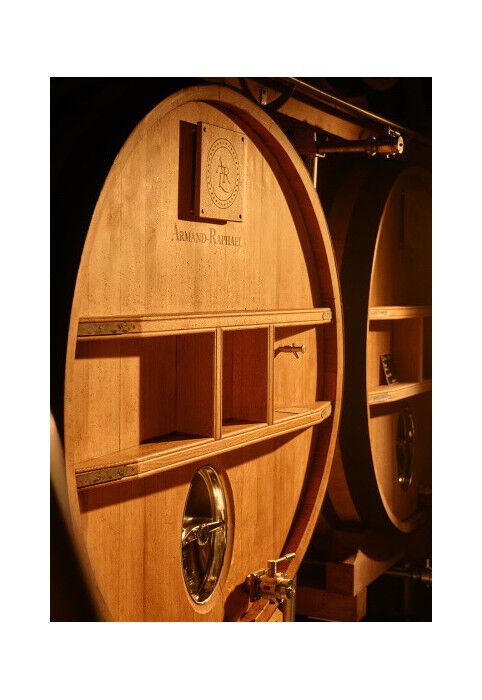
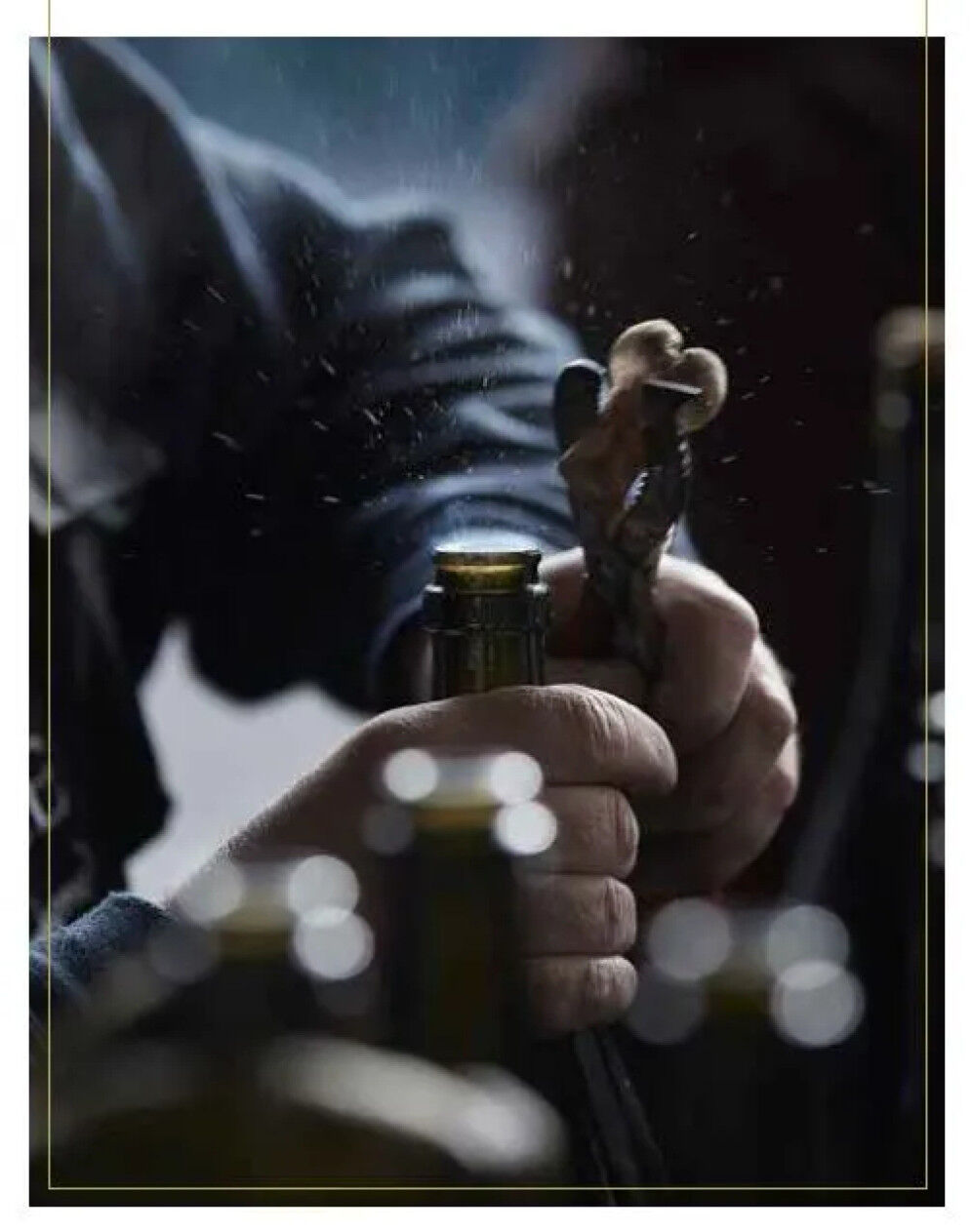
Absolutely, we started by blocking malolactic fermentation to achieve greater precision in the wines and greater expression on the finish.Then, in 2010, to enhance the freshness, minerality and precision of our wines, we began to age our reserve wines in magnums.This was very innovative in 2010.We age these wines for just over 6 years.After 6 years, we open the magnums by hand.We put this wine in a vat to await the blending of the year's harvest.Once the blending is done, we bottle the wine to set the bubbles in the final bottle, and leave for 4 to 6 years of ageing.For example, for MAG14, this means that the main harvest is 2014, MAG for ageing reserve wines in magnum.We bottled in 2015, for release in 2021.
3

Do you have a very long winemaking process?
For us, it's a minimum of 8 years, or even 10 for the rosés.It was in 2018 that we were able to consider that we had put bottles on the market that corresponded to the roadmap my brother and I had set ourselves in 1996. The House style has really asserted itself, and we're proud of it.We have a grape that is capable of expressing itself in the bottle, and that's the most important thing.

You celebrated the estate's 100th anniversary in 2020. What did you do to commemorate this centenary?
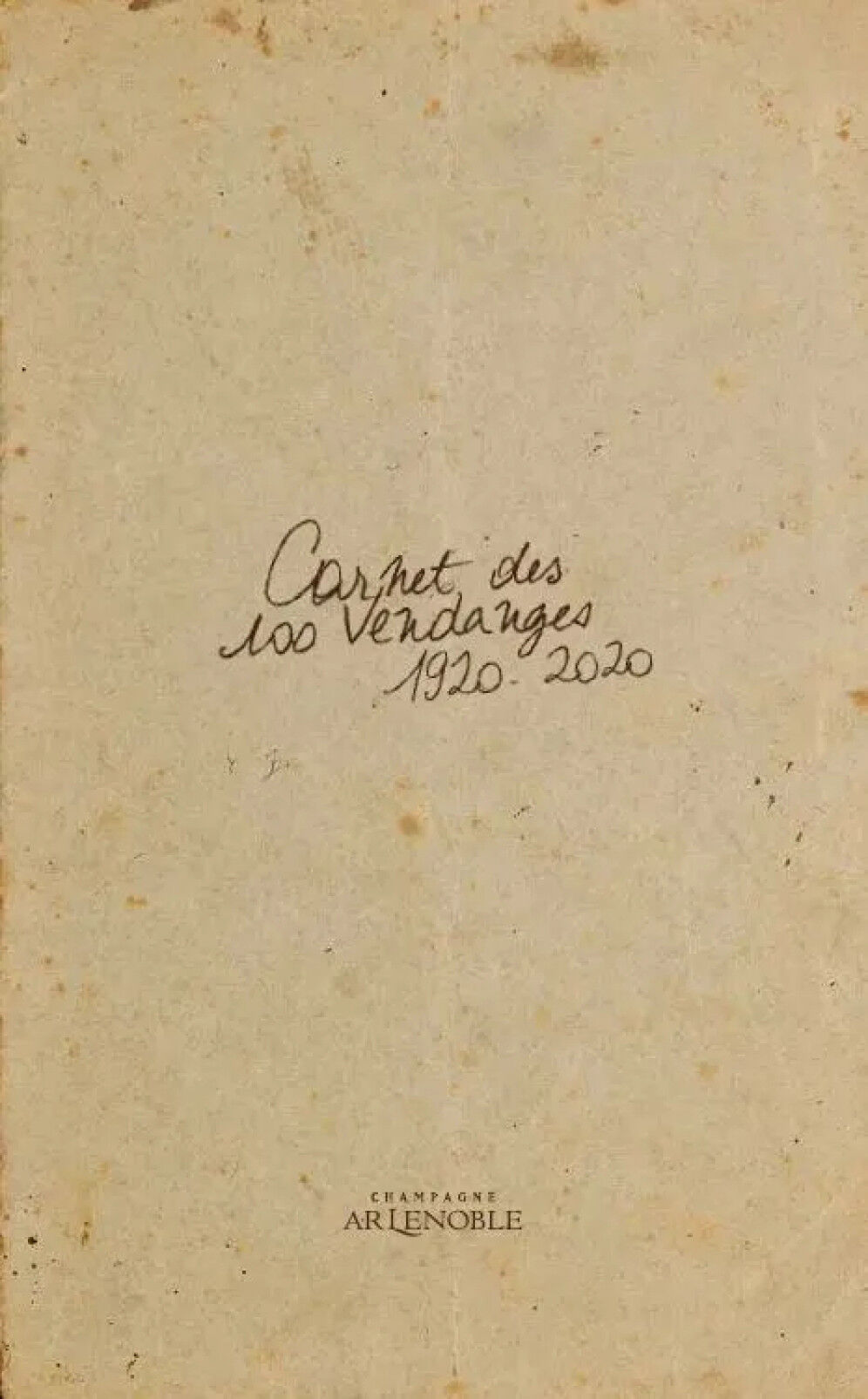
I wrote a 100-harvest notebook for the occasion.At the estate, I found the notebook from the first harvest in 1920.I drew inspiration from this notebook, its format and paper, to create a new one in 2020, the 100 harvests. In it, I tell the story of the 4 generations that have succeeded one another since Armand-Raphael.

4

What are the possible future developments for Maison AR Lenoble?
Today, with COVID, we've strengthened our proximity to our customers. We've even realized that the path we took 27 years ago is still very relevant.COVID encourages us to go deeper and highlight what we've done. We're staying true to ourselves, not surfing on fads that may pass, but digging our own furrow and passing on the values we hold dear.

Champagne Lenoble

Founded in 1920 in Damery, Maison Lenoble draws on three major terroirs: Damery for the meuniers, Bisseuil, a village classified as Premier Cru, for the pinots noirs, and Chouilly, classified as Grand Cru, for the chardonnays. This diversity, combined with a small production and demanding choices, forges the house's singular identity. Faithful to its quest for precision, it produces champagnes with low dosage levels, where finesse, balance and complexity are expressed with precision. Since 2000, the House has built up a perpetual reserve of wines aged in stainless steel, wood and glass, complemented by magnums of reserve wines aged on lees under cork, giving the wines remarkable complexity and aromatic richness.

The Guide des Meilleurs Vins de France 2018, published by the R.V.F., awarded a second star to Maison Lenoble, saluting the quality of its work and consecrating its entry into the very closed circle of the very great Champagne Houses.

Partager
Trusted Reviews
97% of satisfied customers
Shipping 24H
Order before 11AM
Gift Message
free
+ 1200 références
in stock
Storage
Hydro-regulated
Secure Payment
Credit Card, Amex, Paypal, Bank transfer
Added to cart !
Limité à 3 bouteilles. Nous les avons ajoutées à votre panier.
Quantity
Continue shopping